


Shop by type


Type: Base & Top
LDS Glow in the Dark Gel Top Coat 15ml


Type: Nail Art
LDS 04 - Black - Draw Painting Gel Nails Polish Nail Art - 0.5 oz


Type: Nail Art
LDS 03 - White - Draw Painting Gel Nails Polish Nail Art - 0.5 oz


Type: Nail Art
LDS Liner Art Silver Chrome


Type: Nail Art
LDS Essential Gel Art


Type: Base & Top
LDS Gel Diamond Top - 0.5 oz


Type: Nail Art
LDS Rhinestone Gel UV/LED - 15ml


Type: Nail Art
LDS Liner Art Gold Glitter - 23

Type: Tools & Accessories
LDS Dusting Brush


Type: Press On Nails
LDS - 14 Square Medium Tapered Nail Tips (Full Cover)


Type: Gel Color
LDS Rubber Base Gel - RB-19 (Ver 2) - GEL POLISH 0.5 OZ - Bouncy Blush Collection

Type: Base & Top
LDS Super White Gel Refill 8oz
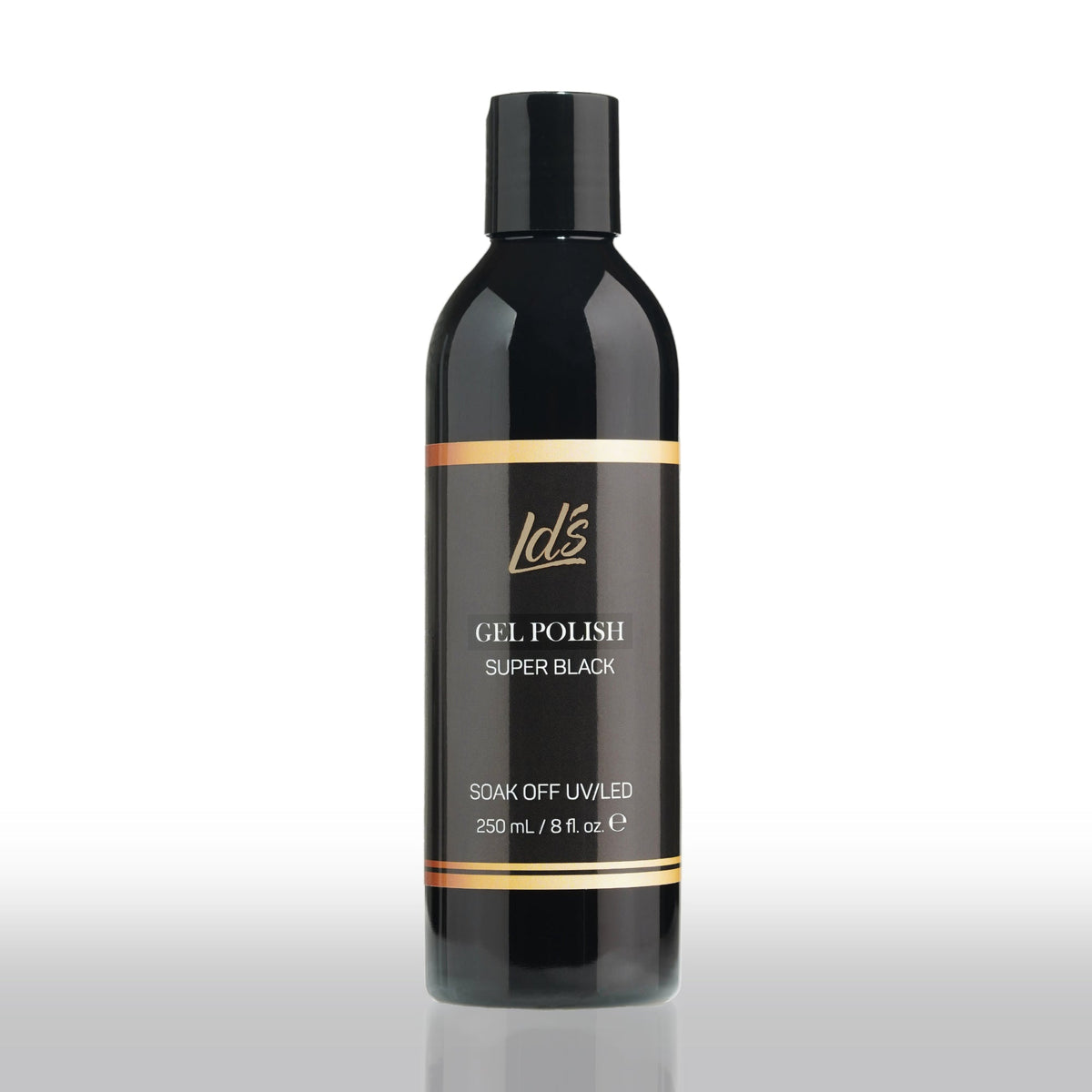
Type: Base & Top
LDS Super Black Gel Refill 8oz


Type: Gel Color
LDS Midnight Merry Cat Eye Set, 12 Colors


Type: Gel Color
LDS Blossom - Gel Polish 0.5 oz

Type: Base & Top
LDS Base Gel Refill - 8oz


Type: Base & Top
LDS Gel Base & Top - 0.5 oz


Type: Nail Art
LDS Rhinestone Gel - Modeling Gel - Sculpting Gel


Type: Nail Art
LDS 05 - Red - Draw Painting Gel Nails Polish Nail Art - 0.5 oz

Type: Nail Art
LDS 06 - Green - Draw Painting Gel Nails Polish Nail Art - 0.5 oz

Type: Nail Art
LDS 09 - Orange - Draw Painting Gel Nails Polish Nail Art - 0.5 oz


Type: Nail Art
LDS 10 - Pink - Draw Painting Gel Nails Polish Nail Art - 0.5 oz

Type: Nail Art
LDS 12 - Yellow - Draw Painting Gel Nails Polish Nail Art - 0.5 oz


Type: Nail Art
LDS 07 - Blue - Draw Painting Gel Nails Polish Nail Art - 0.5 oz


Type: Nail Art
LDS 08 - Purple - Draw Painting Gel Nails Polish Nail Art - 0.5 oz

Type: Nail Art
LDS 11 - Green - Draw Painting Gel Nails Polish Nail Art - 0.5 oz


Type: Nail Art
LDS 01 - Gold - Draw Painting Gel Nails Polish Nail Art - 0.5 oz


Type: Nail Art
LDS 02 - Silver - Draw Painting Gel Nails Polish Nail Art - 0.5 oz


Type: Nail Art
LDS - 20 Pine Green - Line Art Gel Nails Polish Nail Art


Type: Nail Art
LDS - 17 Neon Yellow - Line Art Gel Nails Polish Nail Art


Type: Nail Art
LDS - 16 Teal Blue - Line Art Gel Nails Polish Nail Art


Type: Nail Art
LDS - 15 Royal Blue - Line Art Gel Nails Polish Nail Art


Type: Nail Art
LDS - 13 Pastel Purple - Line Art Gel Nails Polish Nail Art


Type: Nail Art
LDS - Perfect Gel Art Duo - Color 01 & 02 (ver 2)


Type: Nail Art
LDS - 36 - Line Art Gel Nails Polish Nail Art
Frequently asked questions
What is rubber base gel, and is it a builder gel?
It is a base coat with more flex than a standard one, and no, it is not a builder. A rigid base cracks when a thin natural nail bends, which shows up as lifting at the free edge; a rubber base moves with the nail instead. It is also thicker, so it can even out a slight dip in the plate, and most of the LDS range carries color, which means on a client who only wants a tidy natural nail it can be the whole manicure under a top coat. It will not hold an apex or an extension: that needs a builder gel.
Do LDS line art gels need a separate brush?
No. Every Line Art Gel bottle has a long fine liner brush built into the cap, so you open it, wipe the brush on the neck so the gel sits in the tip, draw and cure. A separate liner brush is worth adding for lace and very fine florals where a longer brush gives more control, but it is not needed to start. Wipe and cap the bottle straight after use, because a liner with a dried tip will not draw a fine line again.
How long does a full set on LDS soft gel tips take?
LDS quotes 30 to 45 minutes against 45 to 75 minutes for a sculpted extension, because the shape is already in the tip and there is no sculpting. Every box holds 12 sizes in one shape and length with a half matte finish, which takes color without the shine of the tip showing through. Size all ten fingers before bonding anything, and expect the middle sizes to empty first when you reorder.
What makes the LDS lamp different from the others you carry?
Three things: it takes a foot as well as a hand, which most compact lamps cannot; it has heat control, which matters when a client reports the burning sensation during a thick cure; and it comes in six colors, which is worth something if the lamp sits where clients can see it. Specification-wise it is cordless and rechargeable with a dual UV and LED source, a digital display, sensor activation and four timers at 15, 30, 60 and 90 seconds.
What does LDS make?
Four things that have little to do with each other, which is why this page exists. LDS supplies a rubber base gel range, a line art and liner gel range for detail work, full-cover soft gel tips, and hardware: cordless drills, UV/LED lamps and brushes. A salon might buy LDS for one of those and never touch the other three, so the chips above split the brand into the ranges people actually shop.
The four ranges
| Range | What it is | Who reaches for it |
|---|---|---|
| Rubber Base Gel | A flexible base coat with color in it: nudes, pinks, beiges and milky whites | Techs who want a base that flexes with the nail and doubles as the color |
| Line Art Gel | Liner gels with the brush built into the cap, 36 numbered colors, plus Platinum metallics, chrome and glitter liners, metallic gels and marble ink | Anyone drawing lines, French edges, lettering or fine art |
| Soft Gel Tips | Full-cover pre-shaped tips, 27 numbered boxes, 12 sizes each, half matte | Salons doing fast full sets without sculpting |
| Hardware | Cordless nail drills, UV/LED lamps in six colors, dusting, liner and ombre brushes | Anyone fitting out a station |
What is rubber base, and when do you use it?
A base coat with more flex in it than a standard one. A rigid base cracks when a thin natural nail bends; a rubber base moves with it, which is why techs reach for it on clients whose gel keeps lifting at the free edge. It is thicker than a normal base too, so it can be floated slightly to even out a dip in the nail plate without being a structural builder. Most of the range carries color, so on a client who wants nothing more than a tidy natural nail, the rubber base is the whole manicure: base, color and flexibility in one coat, sealed with a top.
Where it stops: it is not a builder gel. It will not hold an apex or an extension. For that, see Builder Gel, and our blog compares all five options in builder, hard, soft, polygel and rubber base.
The line art range
LDS builds a long fine liner brush into the cap of every Line Art Gel bottle, so the bottle is the tool: open, wipe the brush on the neck, draw, cure. The numbered colors run from black and white, which are the two every salon uses, through pastels, neons and brights to a pearl, a silver and a gold. Beside them sit the Platinum metallic liners, the Silver and Gold Chrome liners, a laser liner with a rainbow shift, two liquid-chrome metallic gels, a clear rhinestone gel that also sculpts small 3D shapes, and an air-dry metallic marble ink for veining. Twelve Draw Painting Gel colors cover the fills that a liner cannot do. The whole range, including the non-LDS art gels we carry, is on Emboss & Painting Gel.
What is in the tips and hardware range?
- Tips: 27 numbered boxes, each one shape and length in a half matte finish, 12 sizes to a box. The matte surface takes color without the shine of the tip showing through. LDS quotes a full set at 30 to 45 minutes against 45 to 75 for a sculpted extension. The cross-brand page is Soft Gel Tips.
- Drills: the LDS Portable runs up to 35,000 RPM with an aluminum alloy motor and a ventilated bearing, changes bits with a twist-lock, and runs forward or reverse for left- and right-handed techs.
- Lamps: the LDS 9D is cordless and rechargeable with a dual UV and LED source, a digital display, heat control and sensor activation, four timers at 15, 30, 60 and 90 seconds, and it is roomy enough to take a foot as well as a hand. Six colors, which is unusual and matters if the lamp sits where clients can see it.
- Brushes: a liner brush, an ombre fan for sprinkling dip powder into a gradient, dusting brushes and a double-head art brush.
Which LDS range should you buy first?
Most salons come to LDS for one of two things. If gel keeps lifting at the free edge on thin natural nails, start with the rubber base: it is the cheapest fix for a problem that otherwise costs you a redo every few weeks. If the station needs equipment, start with the lamp, because it is the one purchase that limits everything else on the menu, and the LDS unit takes a foot as well as a hand. The line art gels are a margin play rather than a necessity: black and white alone let you charge for French, outlines and lettering that cost a minute of labour. The tips are for salons that want to cut a full set down to half an hour.
How the LDS ranges work together
They stack into one service more often than the four-way split suggests. A soft gel tip is bonded and cured, a rubber base goes over the natural nail at the cuticle end for flex, a line art gel draws the detail, and the LDS lamp cures every layer while the LDS drill takes the bulk off at removal. If you are building a station around one brand, that is the sequence; if you are buying LDS for one thing, it is most often the rubber base or the lamp.
Buying and care notes
- Rubber base: apply thin at the cuticle and free edge; the flex is in the formula, not in the thickness.
- Liners: wipe the cap brush on the neck and cap it straight away. A liner with a dried tip cannot draw a fine line again.
- Tips: keep boxes closed and note which of the twelve sizes ran low; the middle sizes always empty first.
- Lamp: wipe the inside, including the diode covers, because cured gel on those surfaces is what makes an older lamp cure unevenly.
- Drill: seat the bit fully, start slow, keep it moving, and clean the handpiece with a disinfectant wipe rather than a soak.
- Stock check: around a sixth of the live LDS range is out of stock at any time, mostly brushes and line art sets, so check before promising a client a specific box.