


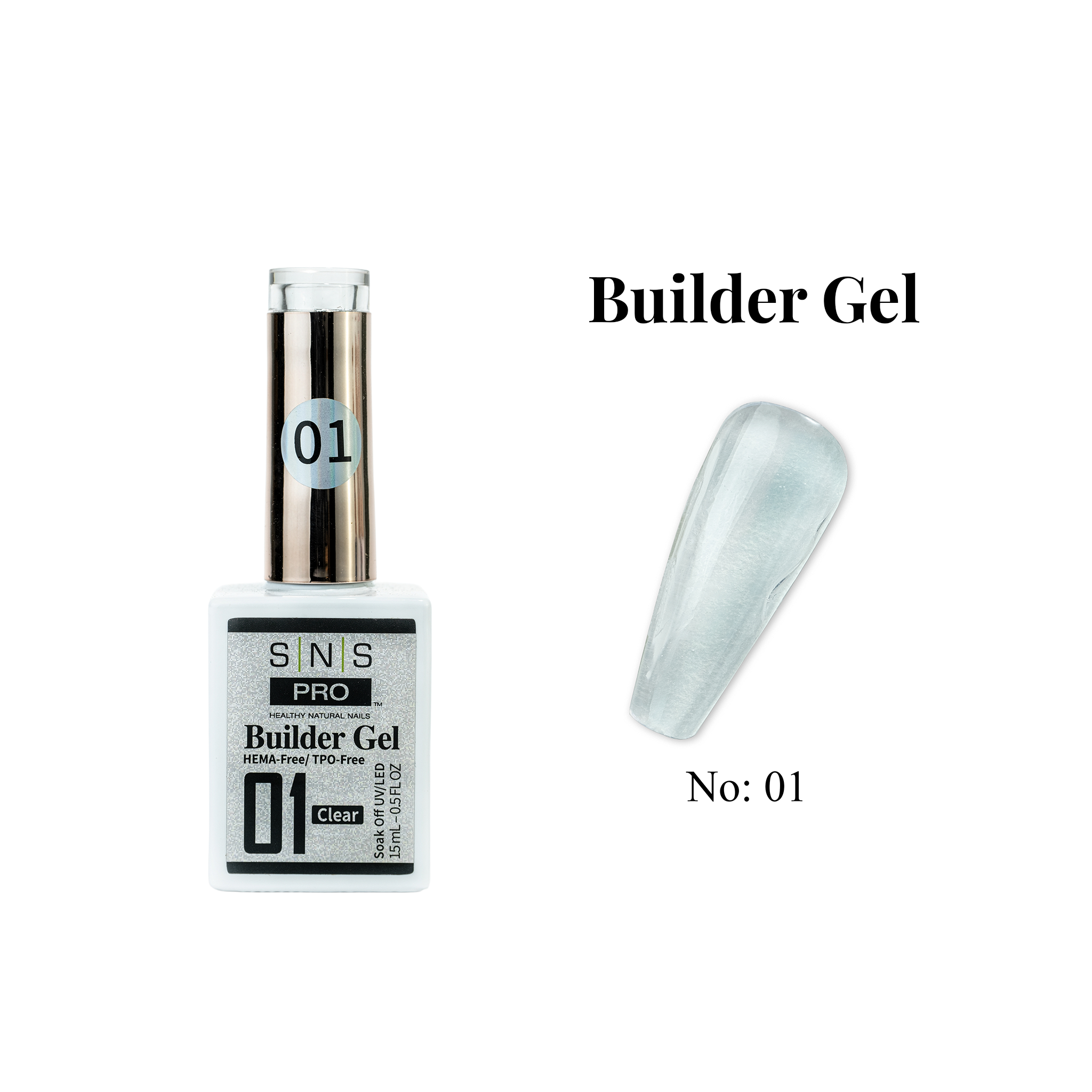
Type: Builder Gel
SNS Builder Gel In The Bottle - 01 - HEMA-Free/TPO-Free - 0.5oz
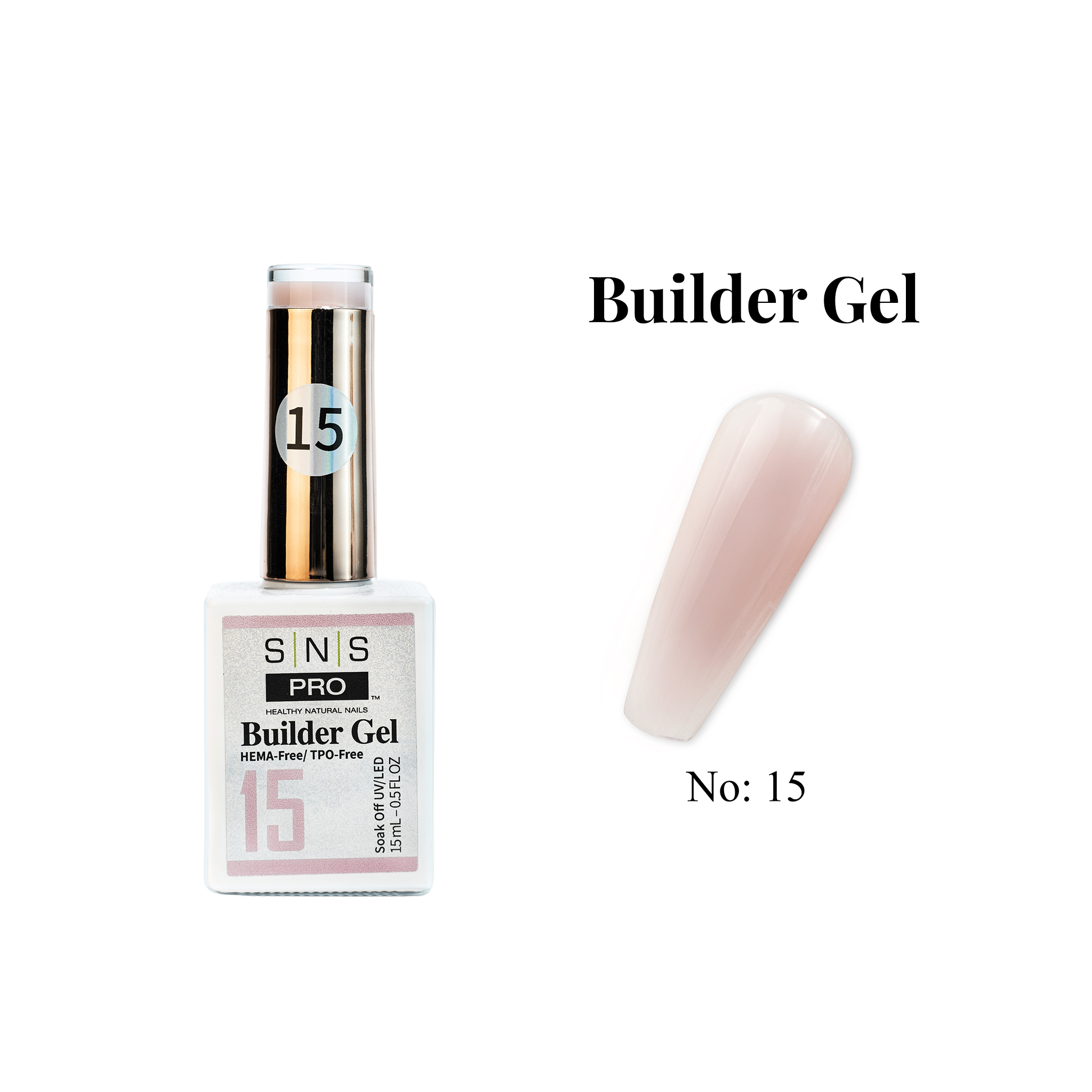
Type: Builder Gel
SNS Builder Gel In The Bottle - 15 - HEMA-Free/TPO-Free - 0.5oz
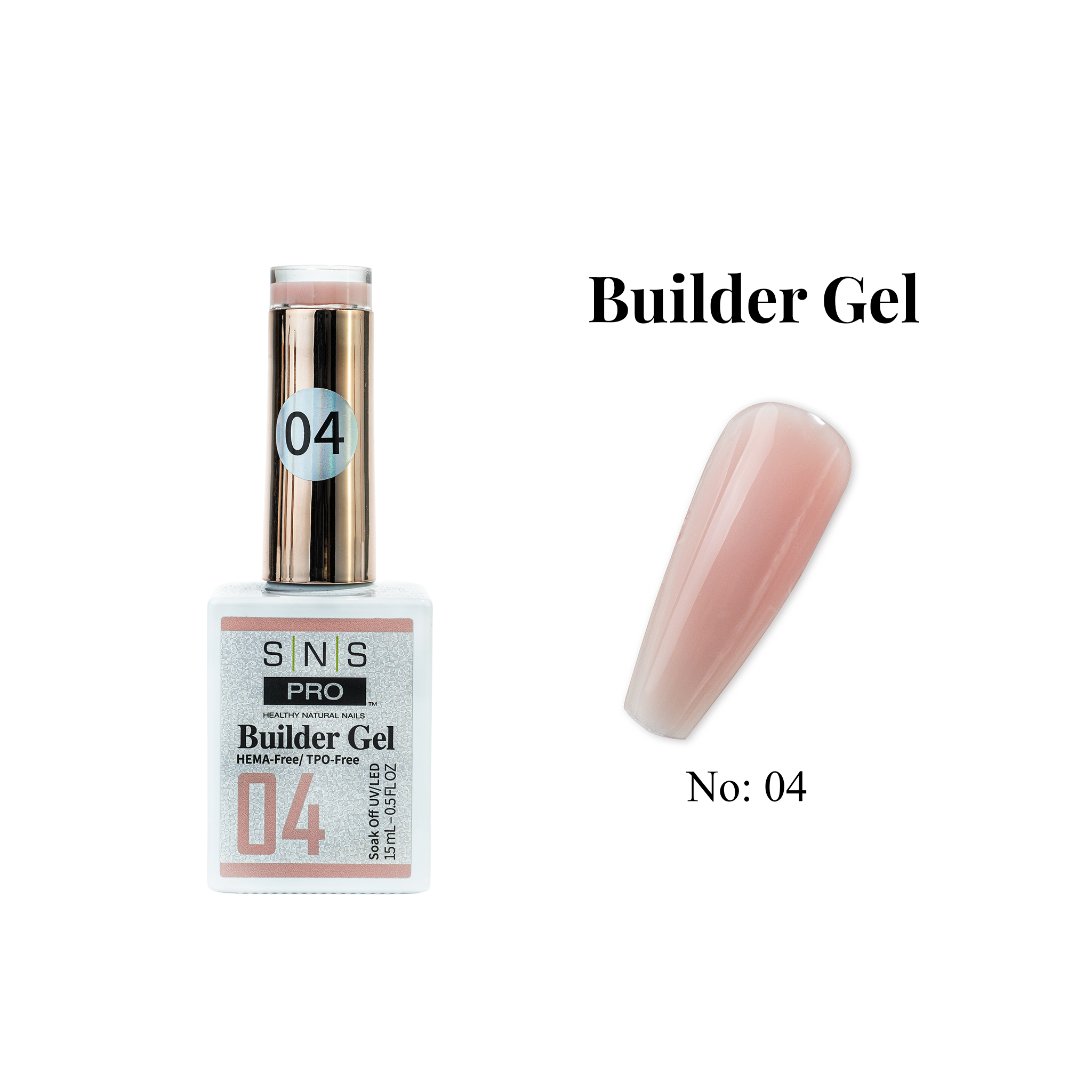
Type: Builder Gel
SNS Builder Gel In The Bottle - 04 - HEMA-Free/TPO-Free - 0.5oz
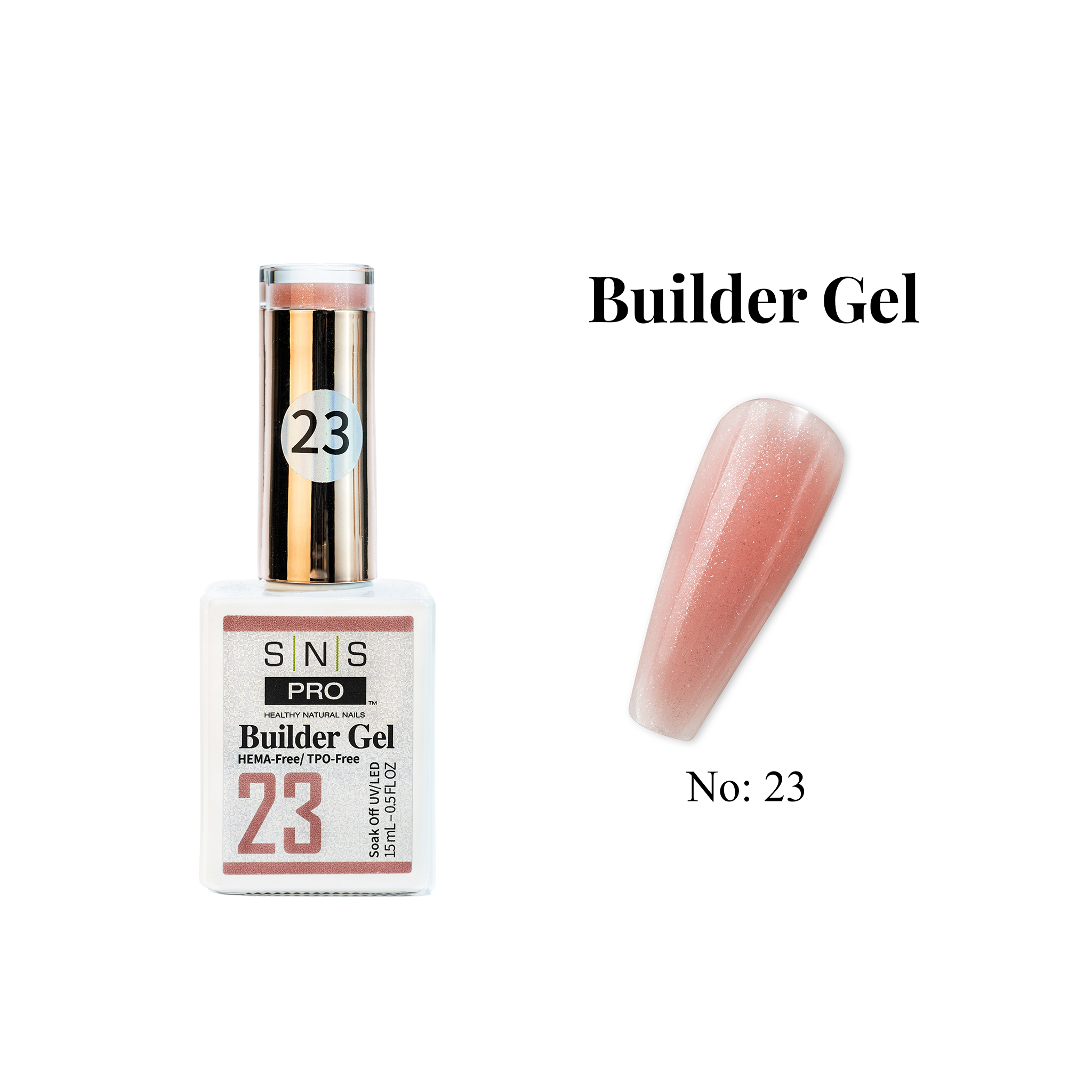
Type: Builder Gel
SNS Builder Gel In The Bottle - 23 - HEMA-Free/TPO-Free - 0.5oz
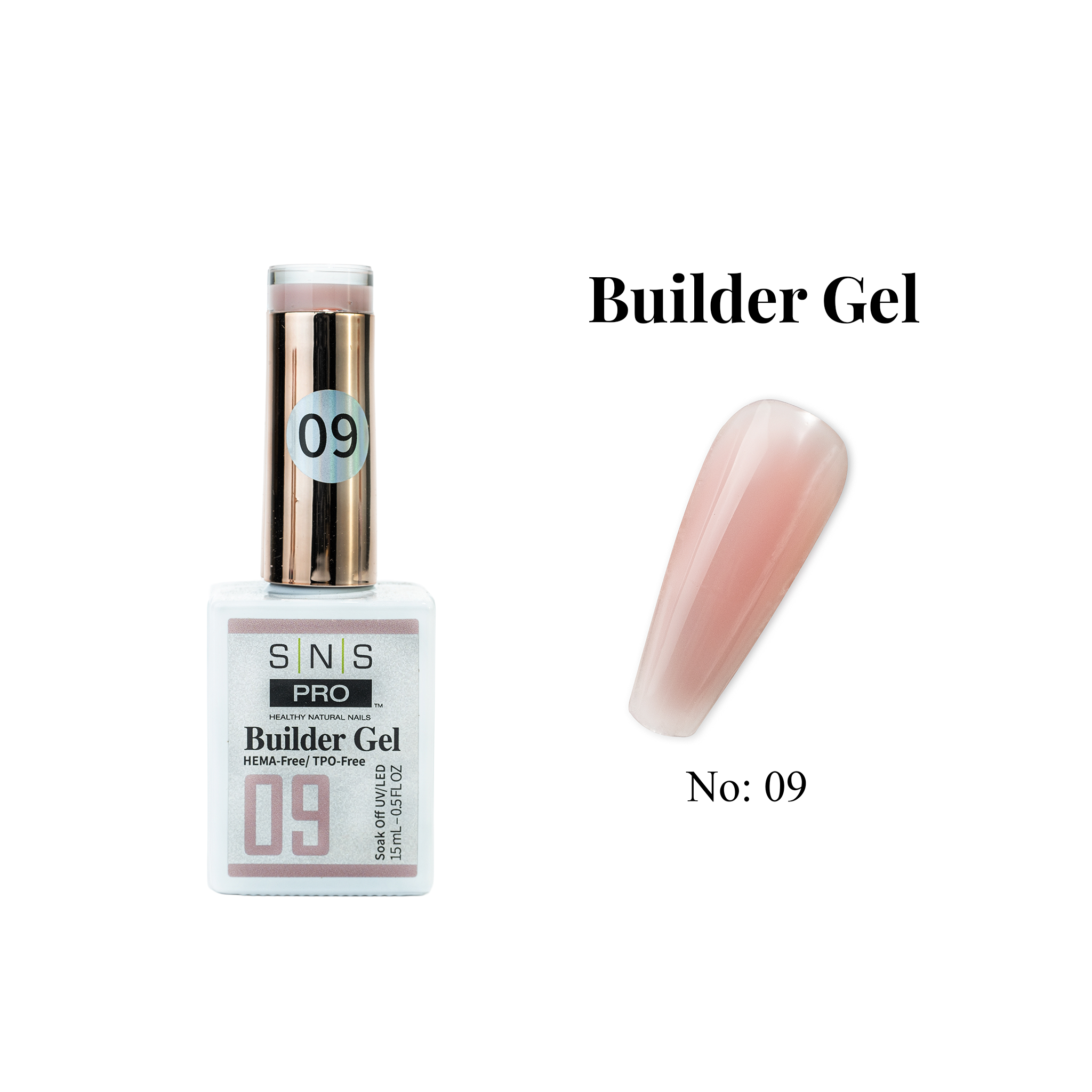
Type: Builder Gel
SNS Builder Gel In The Bottle - 09 - HEMA-Free/TPO-Free - 0.5oz
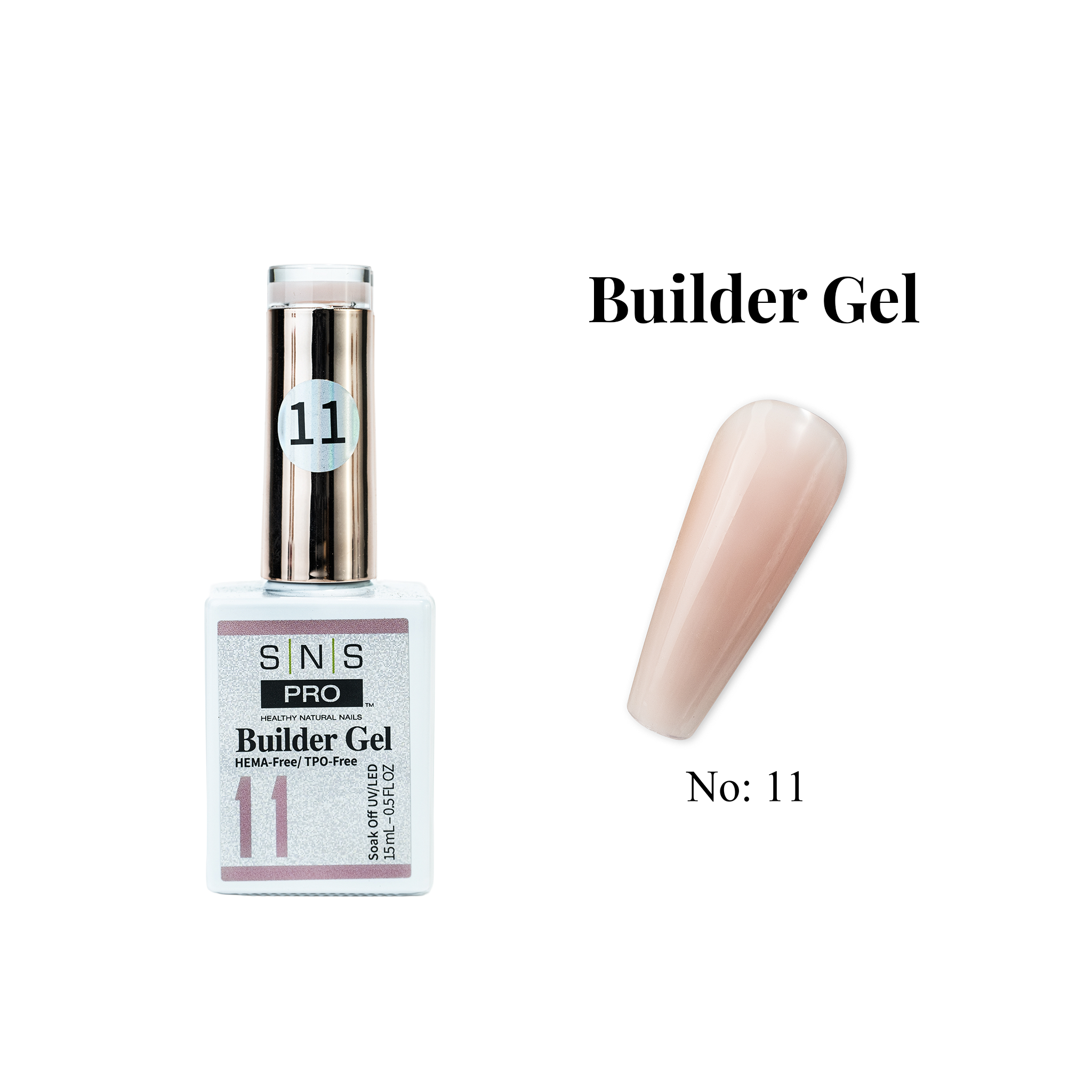
Type: Builder Gel
SNS Builder Gel In The Bottle - 11 - HEMA-Free/TPO-Free - 0.5oz
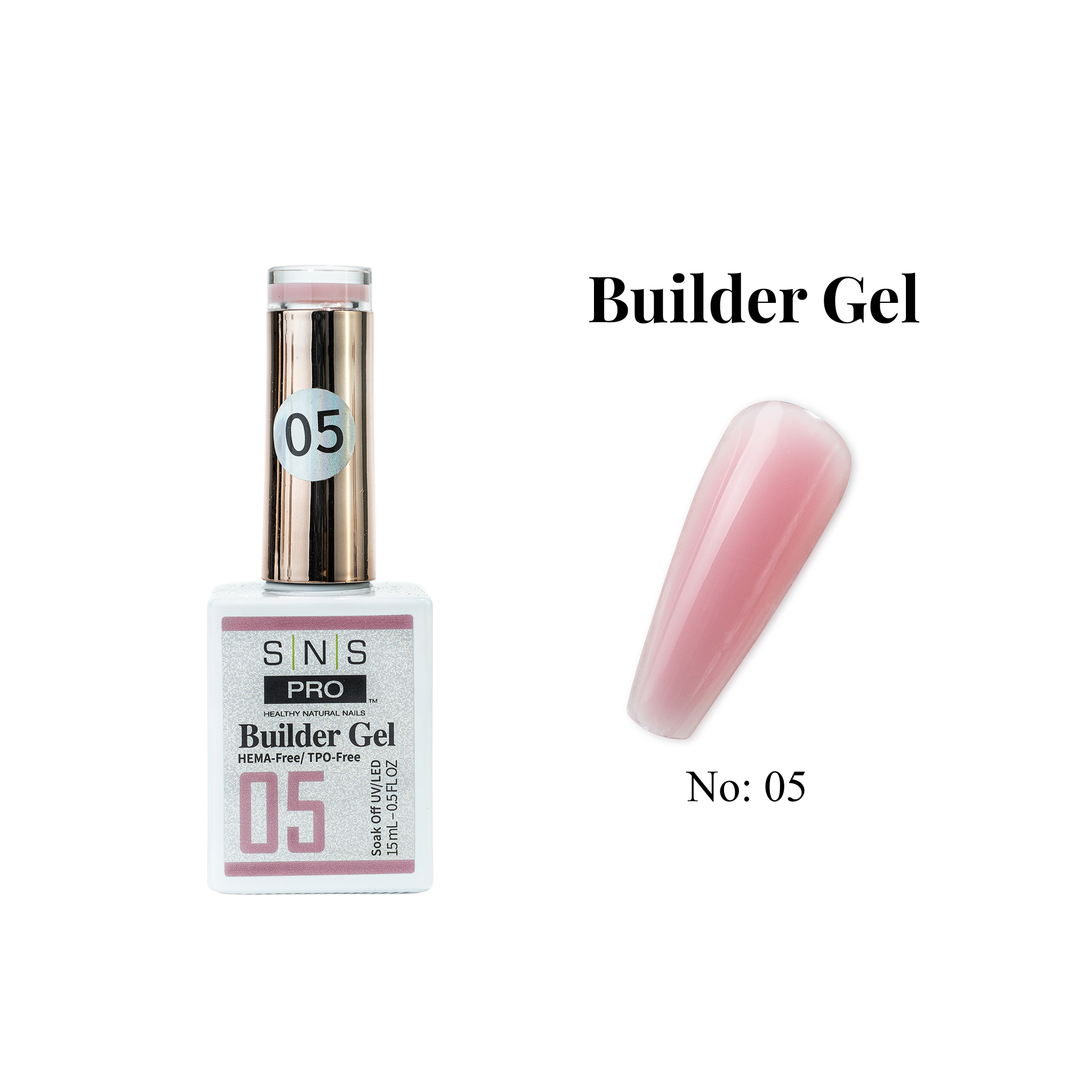
Type: Builder Gel
SNS Builder Gel In The Bottle - 05 - HEMA-Free/TPO-Free - 0.5oz
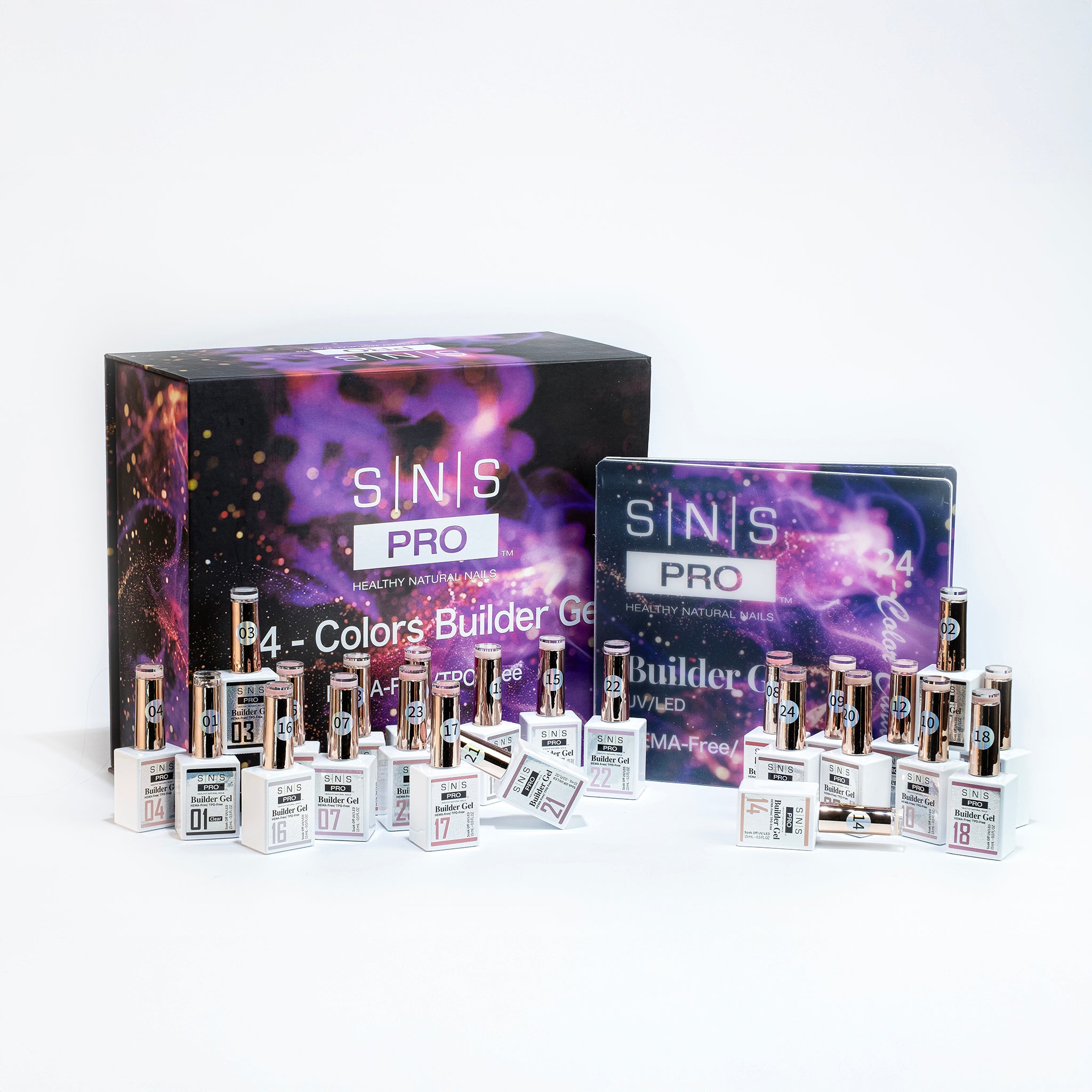
Type: Builder Gel
SNS Builder Gel In The Bottle - Set 24 Colors - HEMA-Free/TPO-Free - 0.5oz
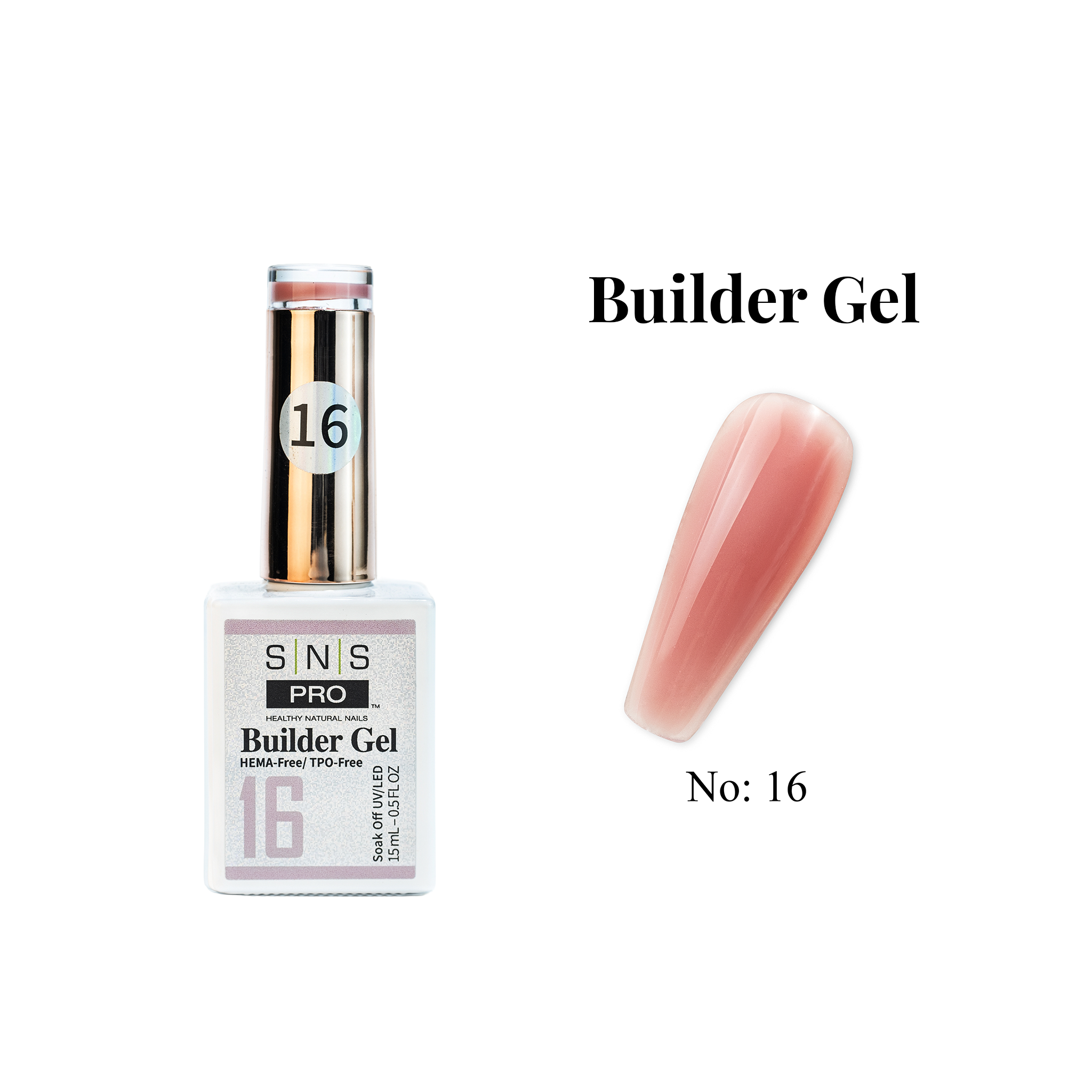
Type: Builder Gel
SNS Builder Gel In The Bottle - 16 - HEMA-Free/TPO-Free - 0.5oz
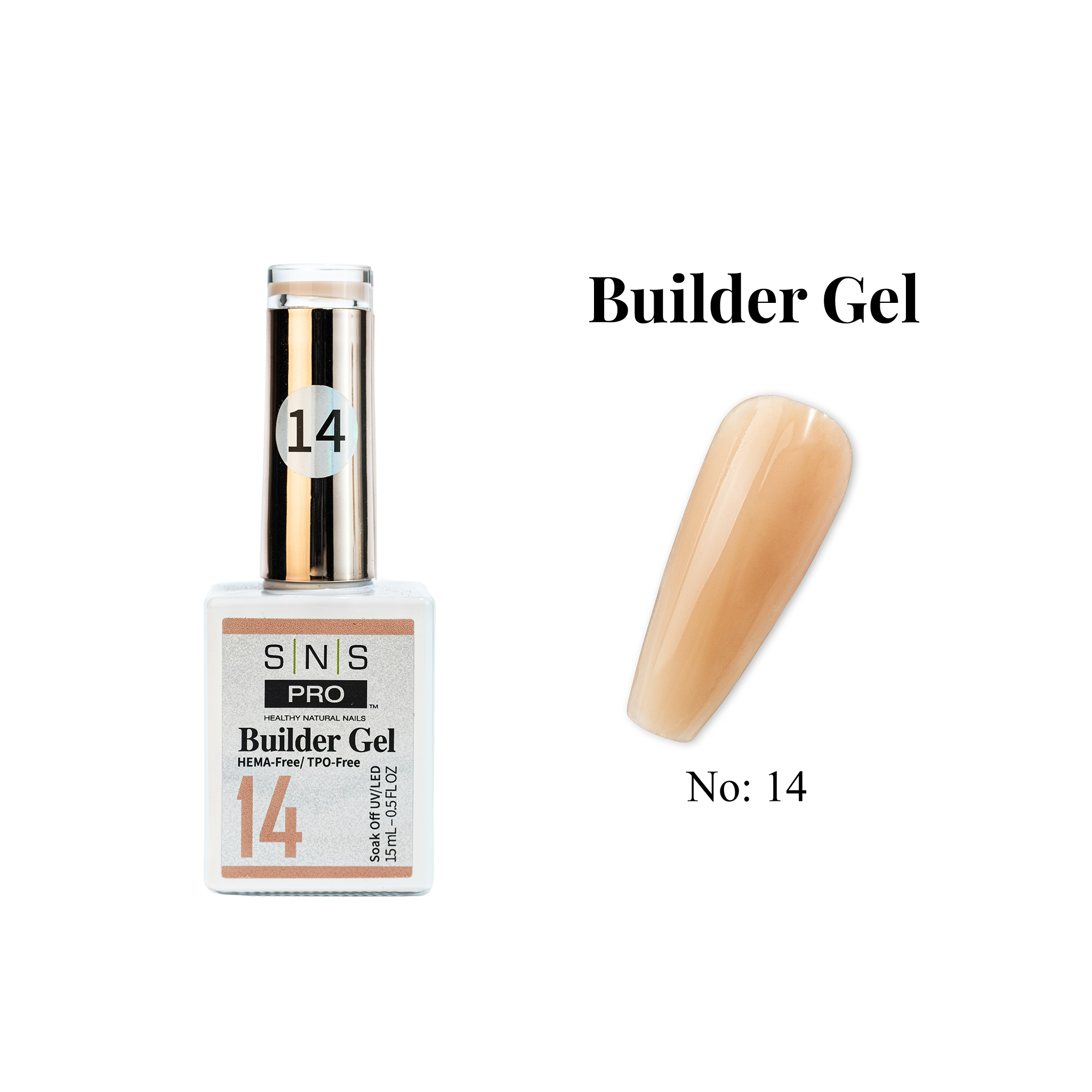
Type: Builder Gel
SNS Builder Gel In The Bottle - 14 - HEMA-Free/TPO-Free - 0.5oz
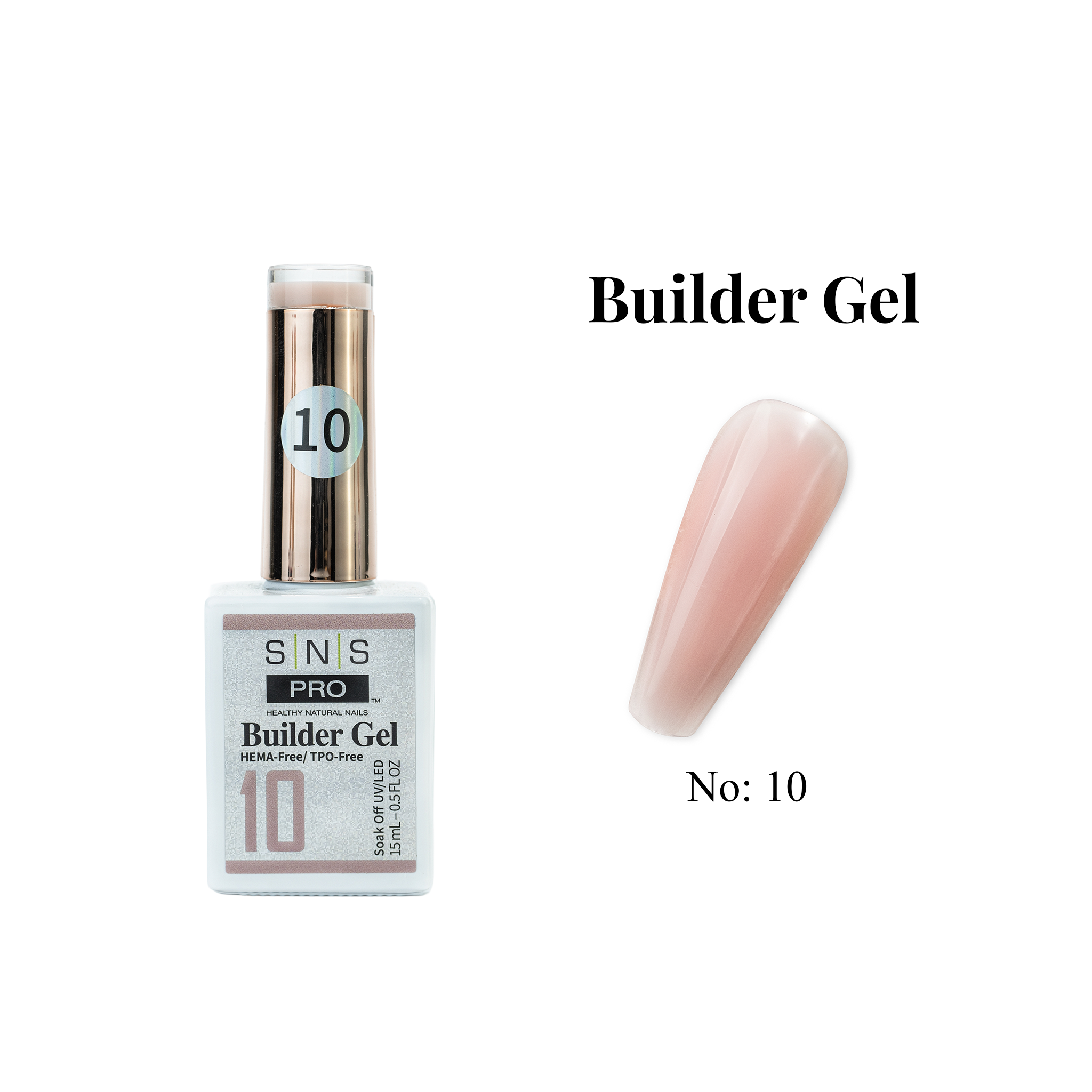
Type: Builder Gel
SNS Builder Gel In The Bottle - 10 - HEMA-Free/TPO-Free - 0.5oz
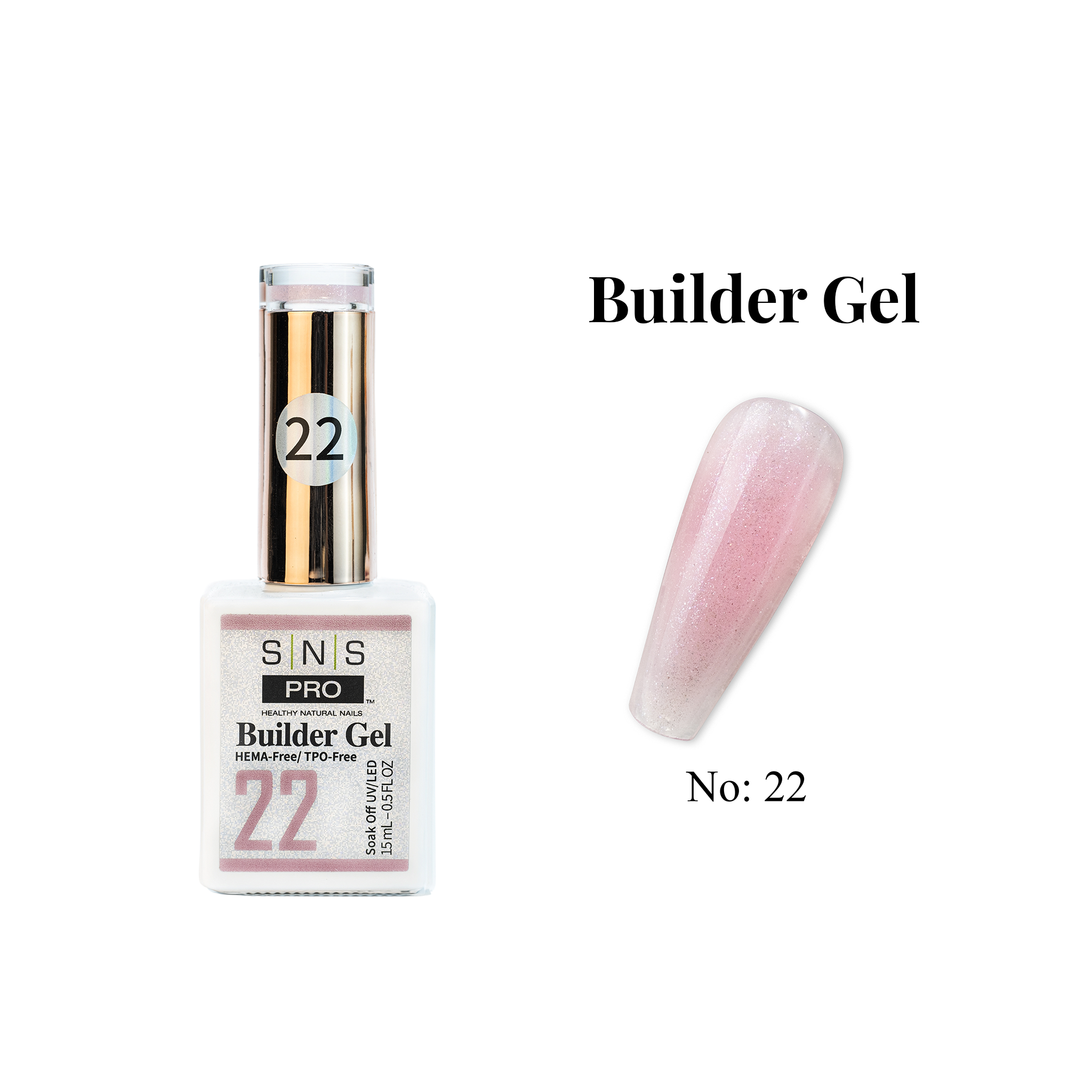
Type: Builder Gel
SNS Builder Gel In The Bottle - 22 - HEMA-Free/TPO-Free - 0.5oz
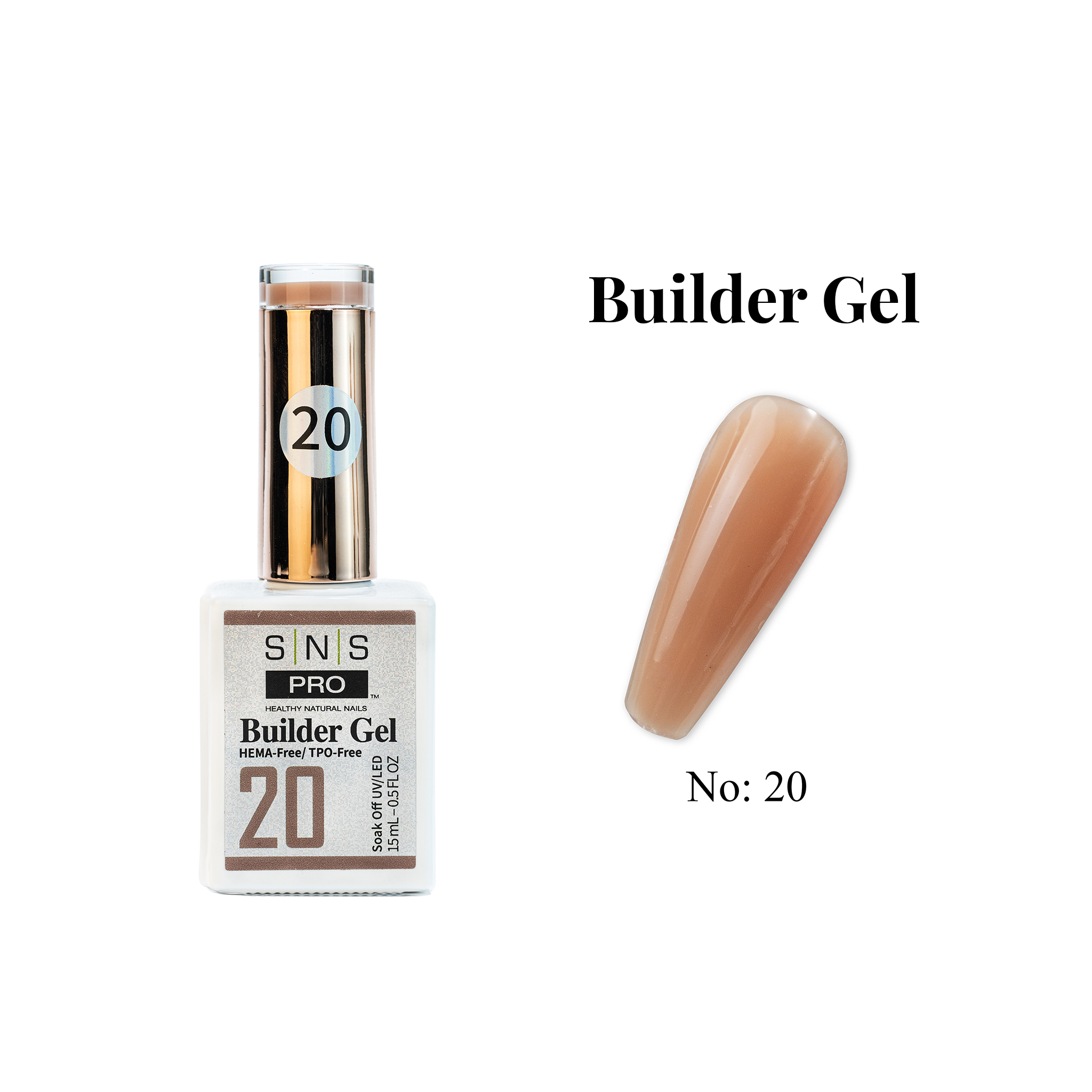
Type: Builder Gel
SNS Builder Gel In The Bottle - 20 - HEMA-Free/TPO-Free - 0.5oz
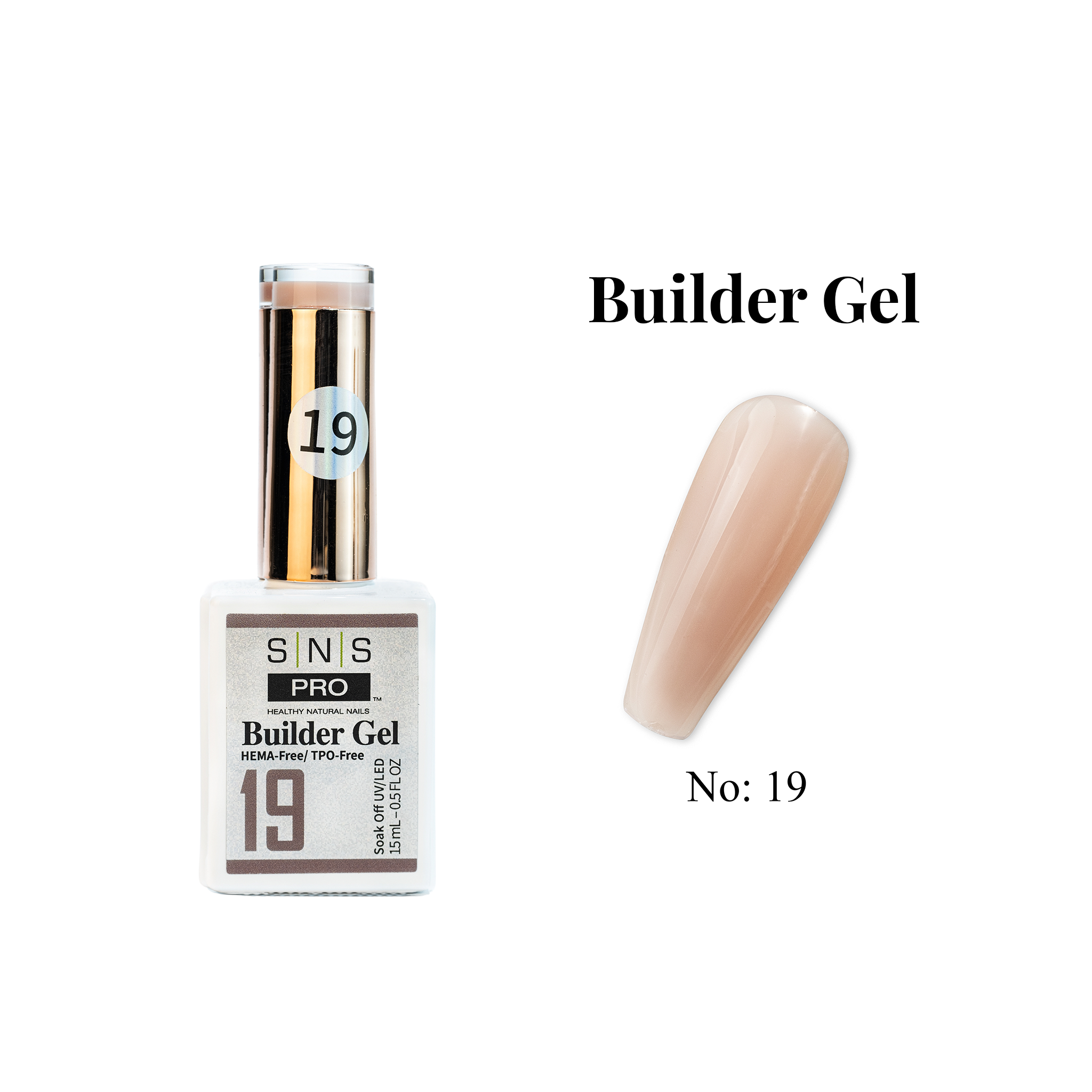
Type: Builder Gel
SNS Builder Gel In The Bottle - 19 - HEMA-Free/TPO-Free - 0.5oz
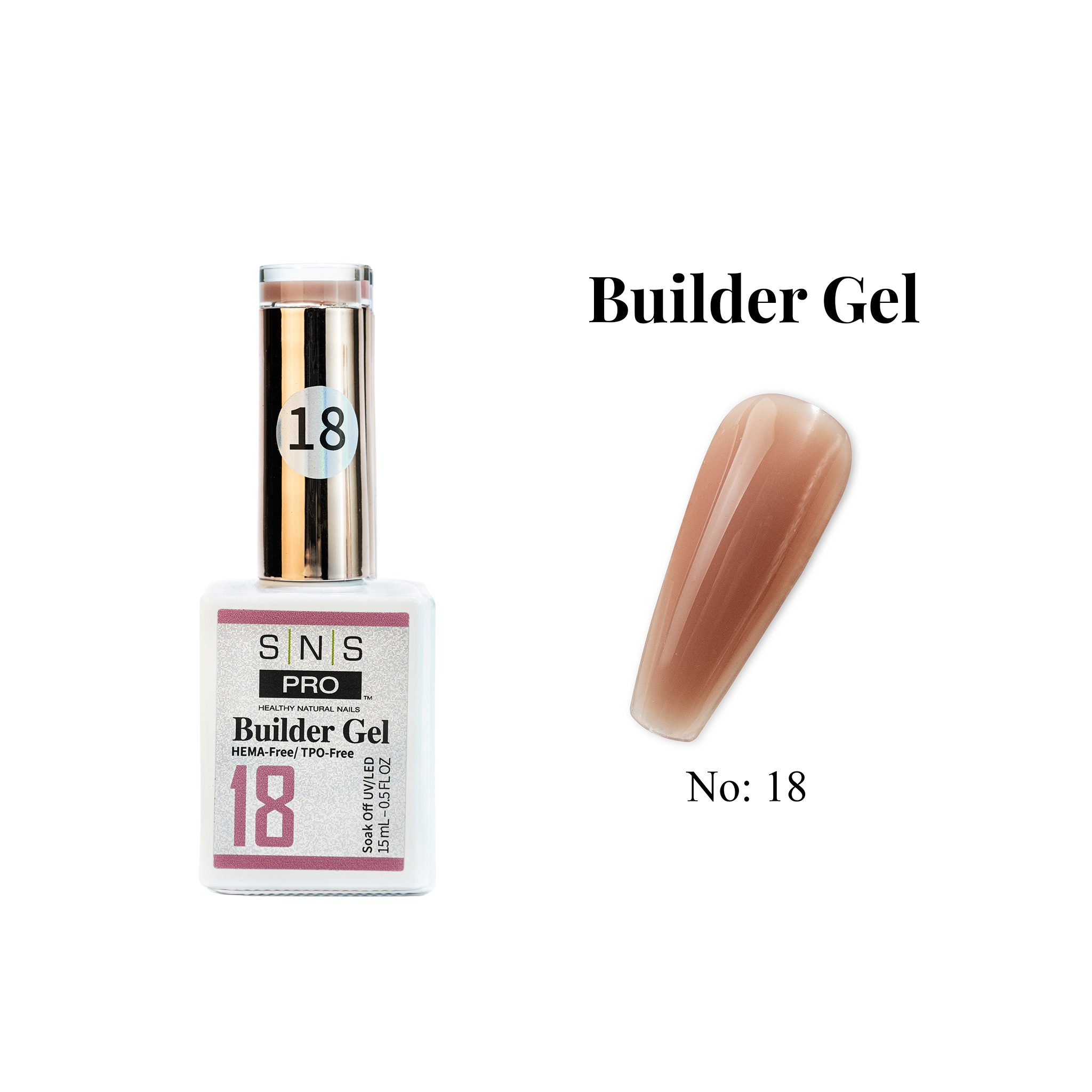
Type: Builder Gel
SNS Builder Gel In The Bottle - 18 - HEMA-Free/TPO-Free - 0.5oz
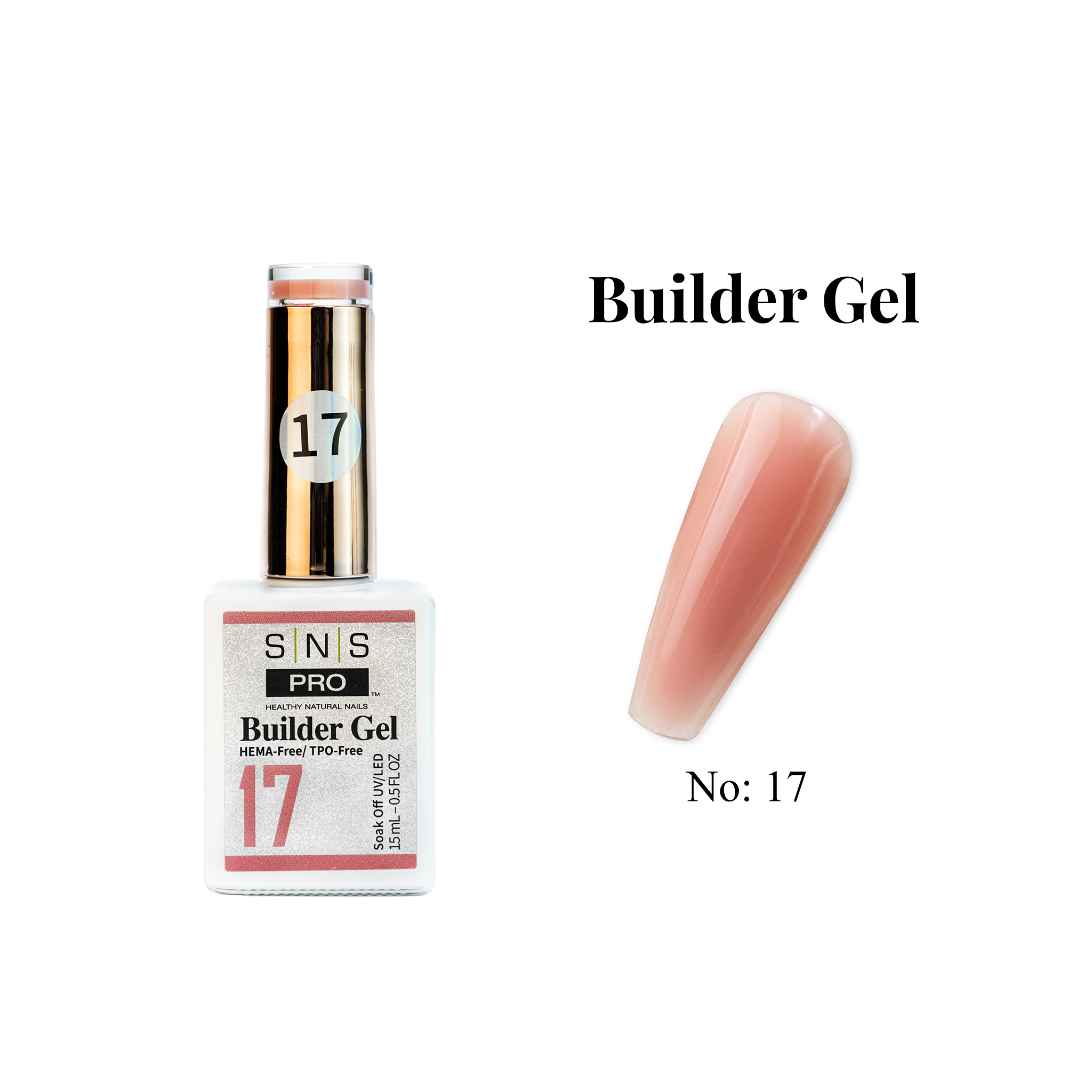
Type: Builder Gel
SNS Builder Gel In The Bottle - 17 - HEMA-Free/TPO-Free - 0.5oz
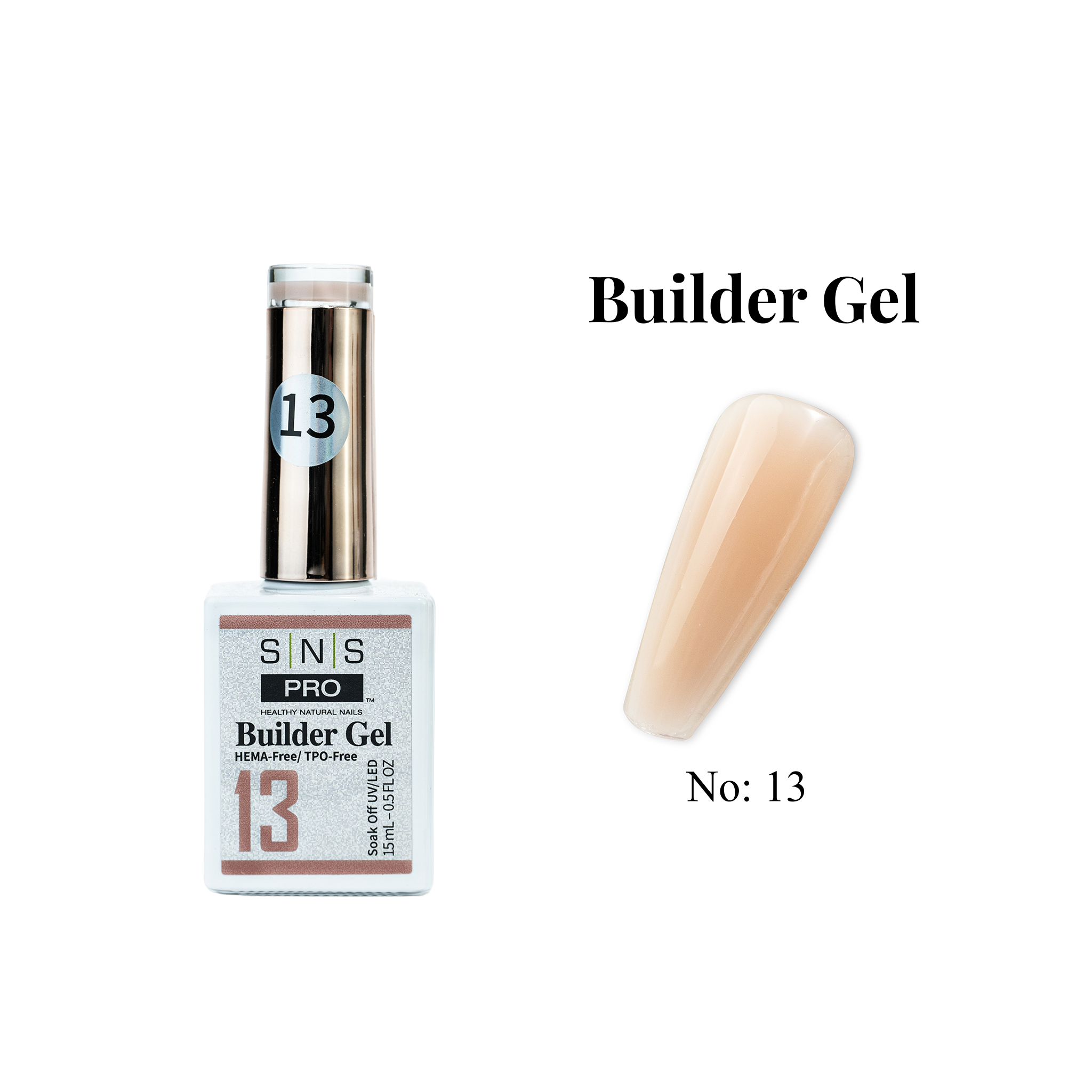
Type: Builder Gel
SNS Builder Gel In The Bottle - 13 - HEMA-Free/TPO-Free - 0.5oz
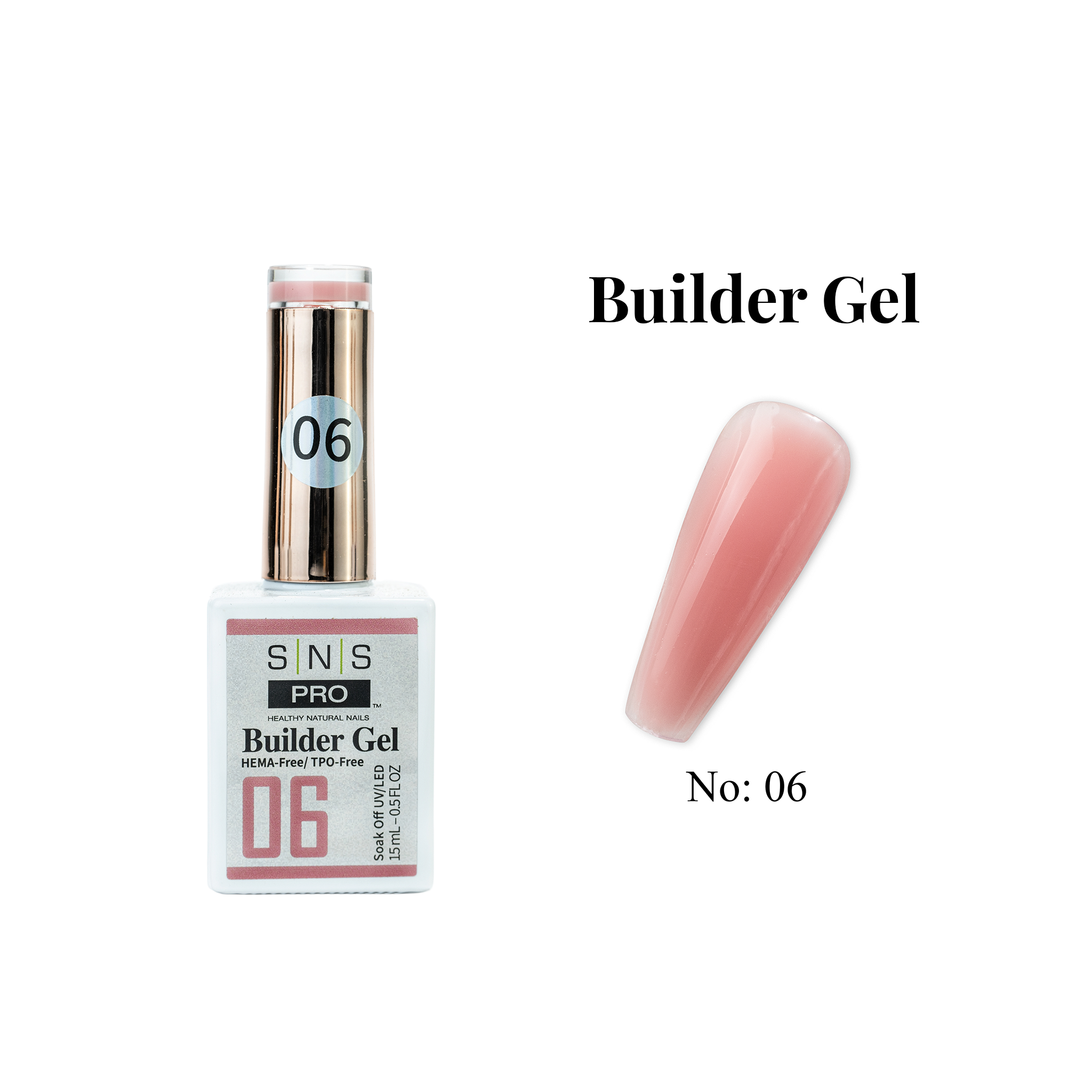
Type: Builder Gel
SNS Builder Gel In The Bottle - 06 - HEMA-Free/TPO-Free - 0.5oz
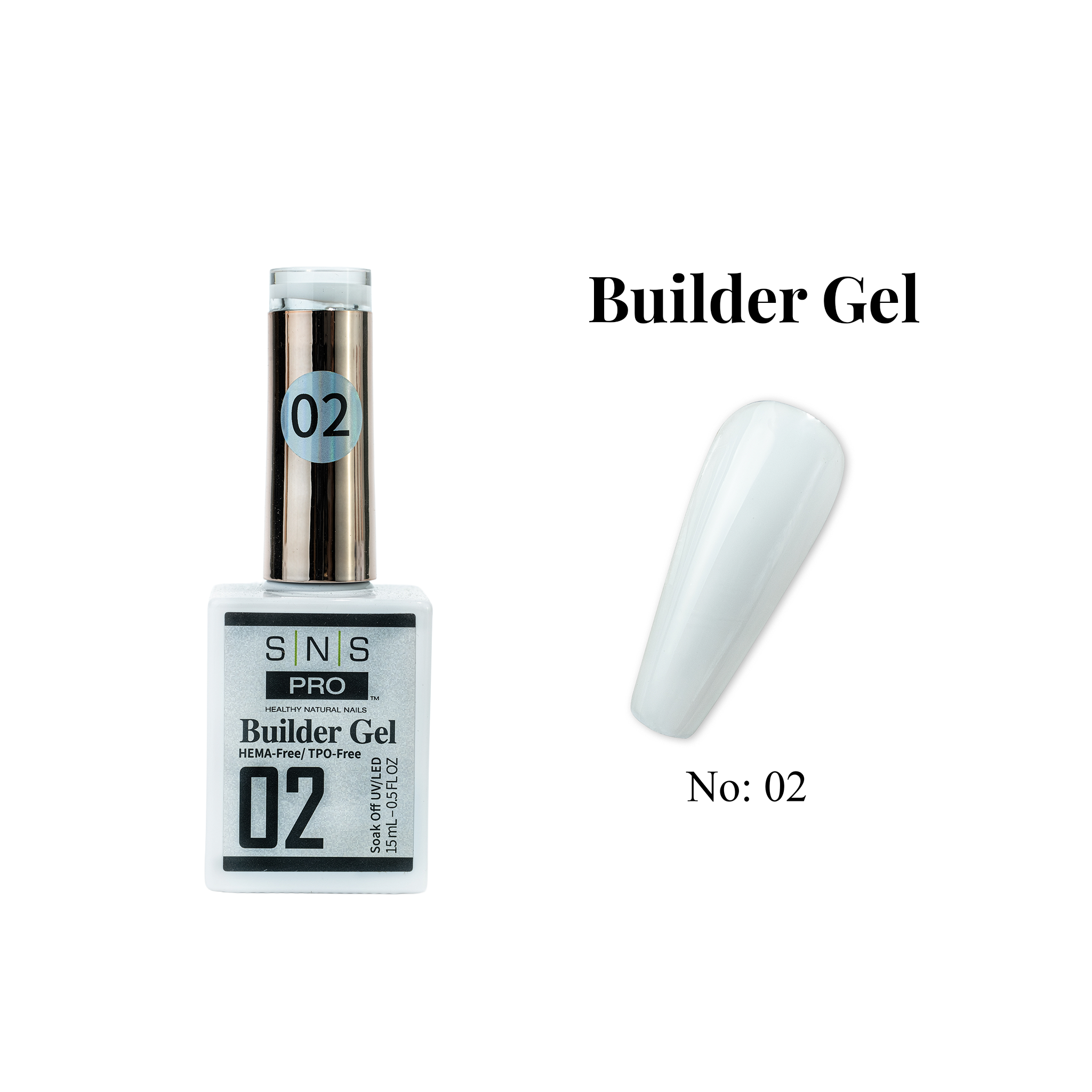
Type: Builder Gel
SNS Builder Gel In The Bottle - 02 - HEMA-Free/TPO-Free - 0.5oz
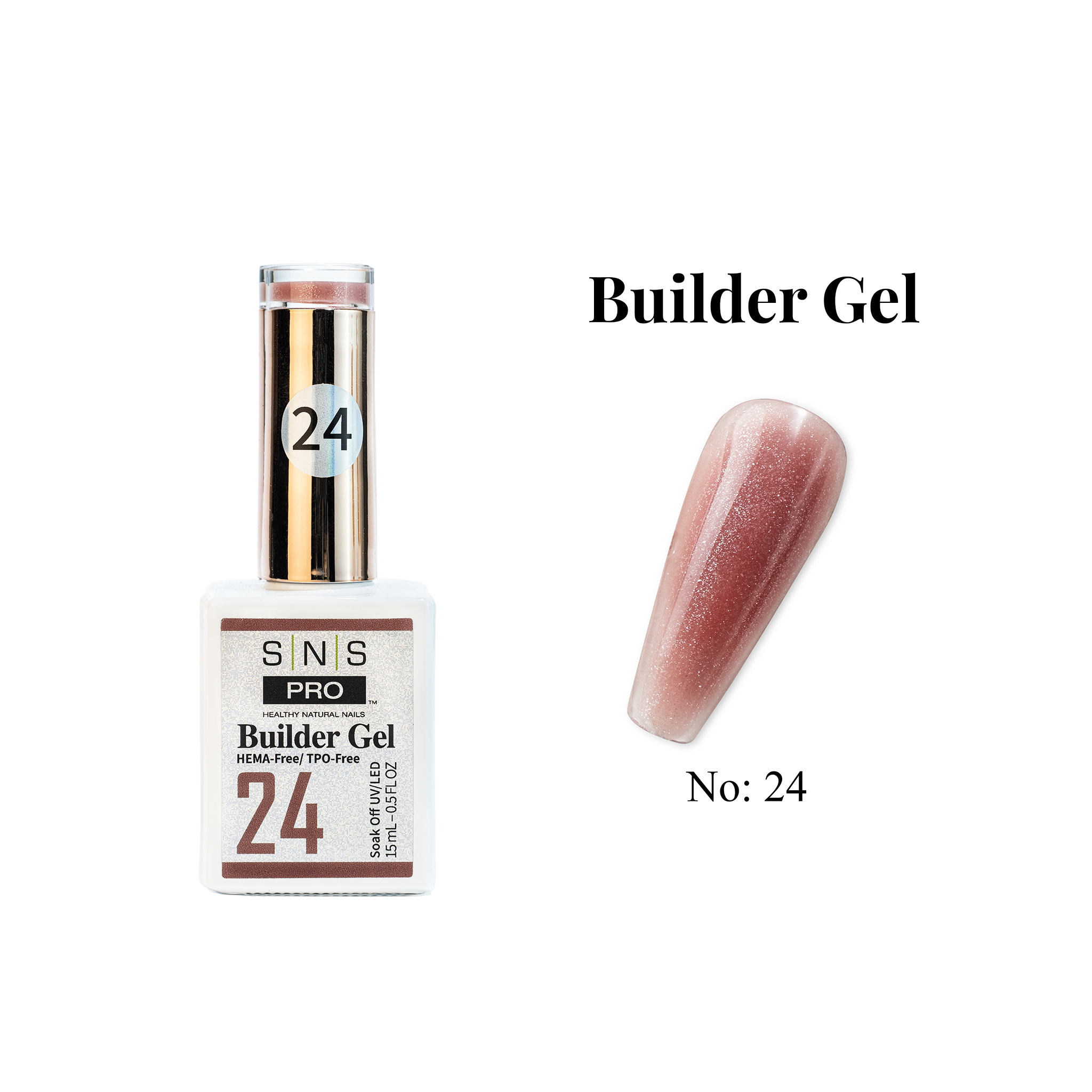
Type: Builder Gel
SNS Builder Gel In The Bottle - 24 - HEMA-Free/TPO-Free - 0.5oz
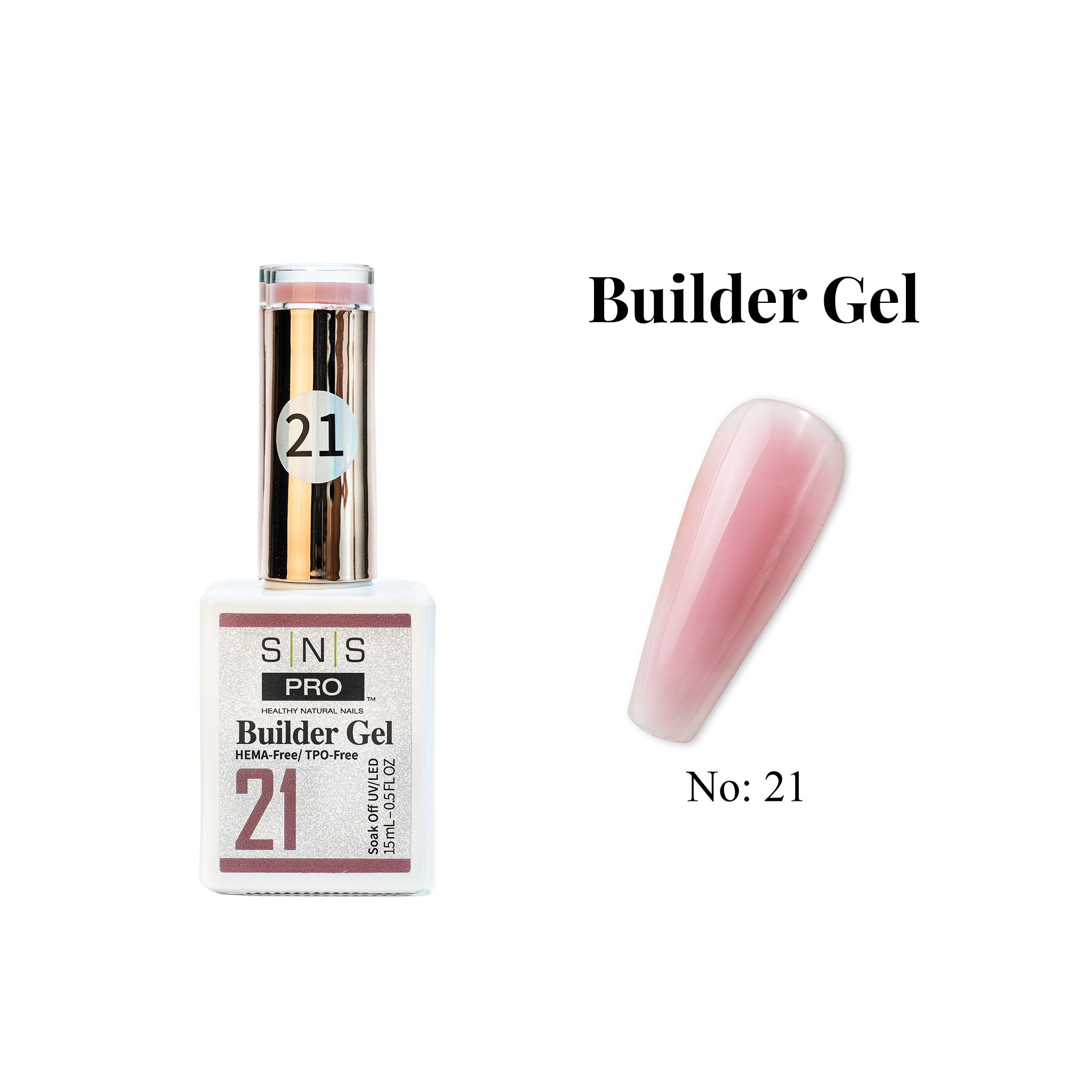
Type: Builder Gel
SNS Builder Gel In The Bottle - 21 - HEMA-Free/TPO-Free - 0.5oz
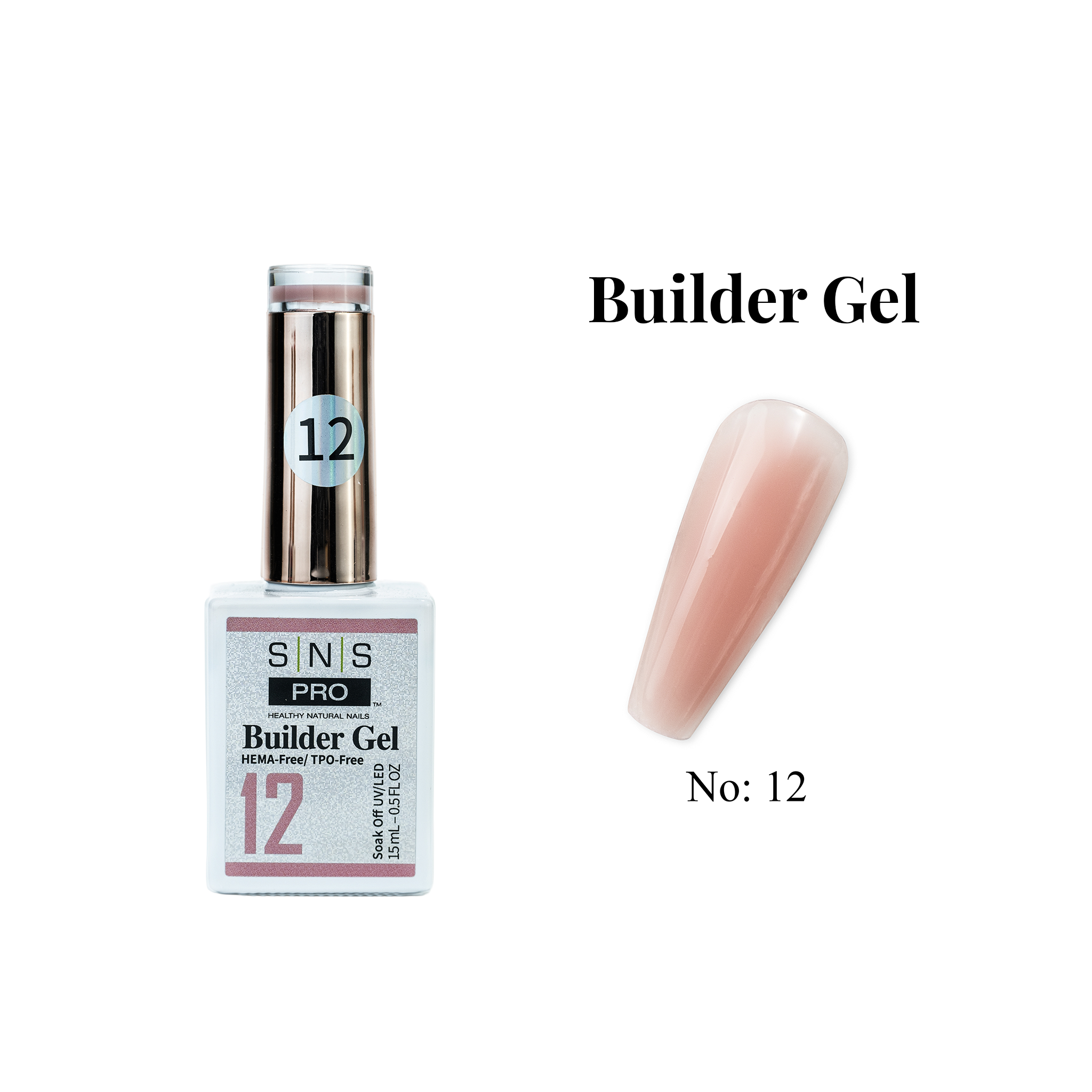
Type: Builder Gel
SNS Builder Gel In The Bottle - 12 - HEMA-Free/TPO-Free - 0.5oz
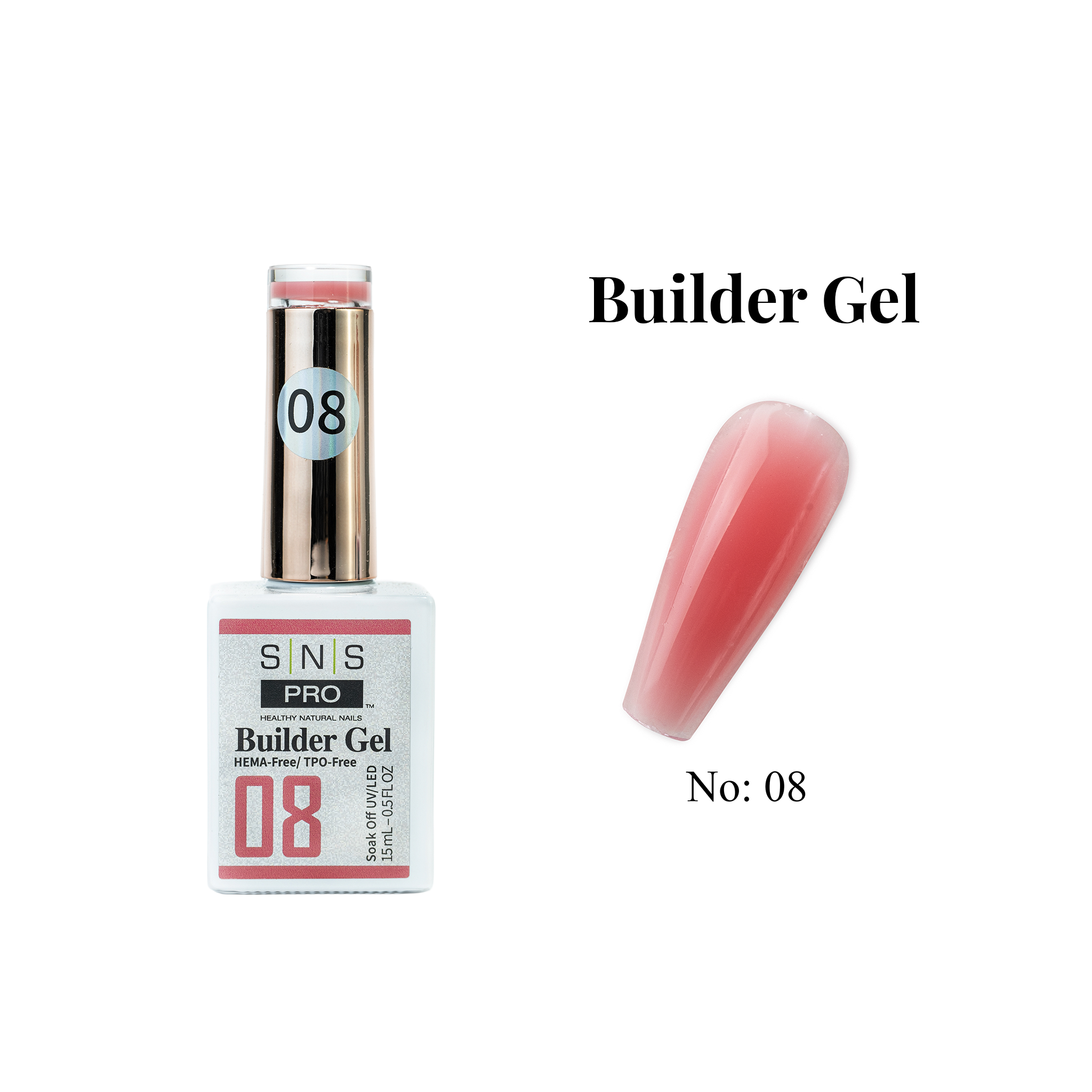
Type: Builder Gel
SNS Builder Gel In The Bottle - 08 - HEMA-Free/TPO-Free - 0.5oz
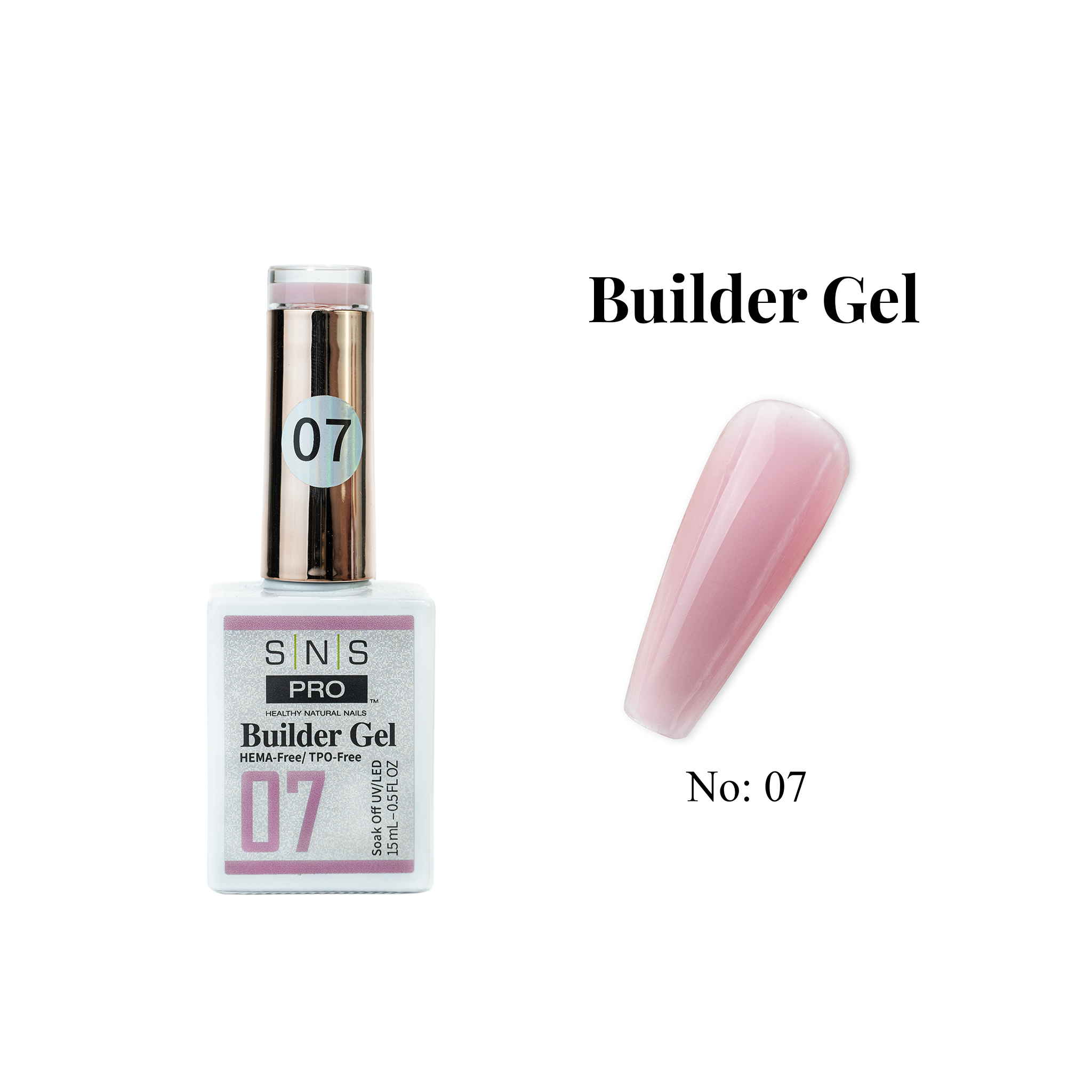
Type: Builder Gel
SNS Builder Gel In The Bottle - 07 - HEMA-Free/TPO-Free - 0.5oz
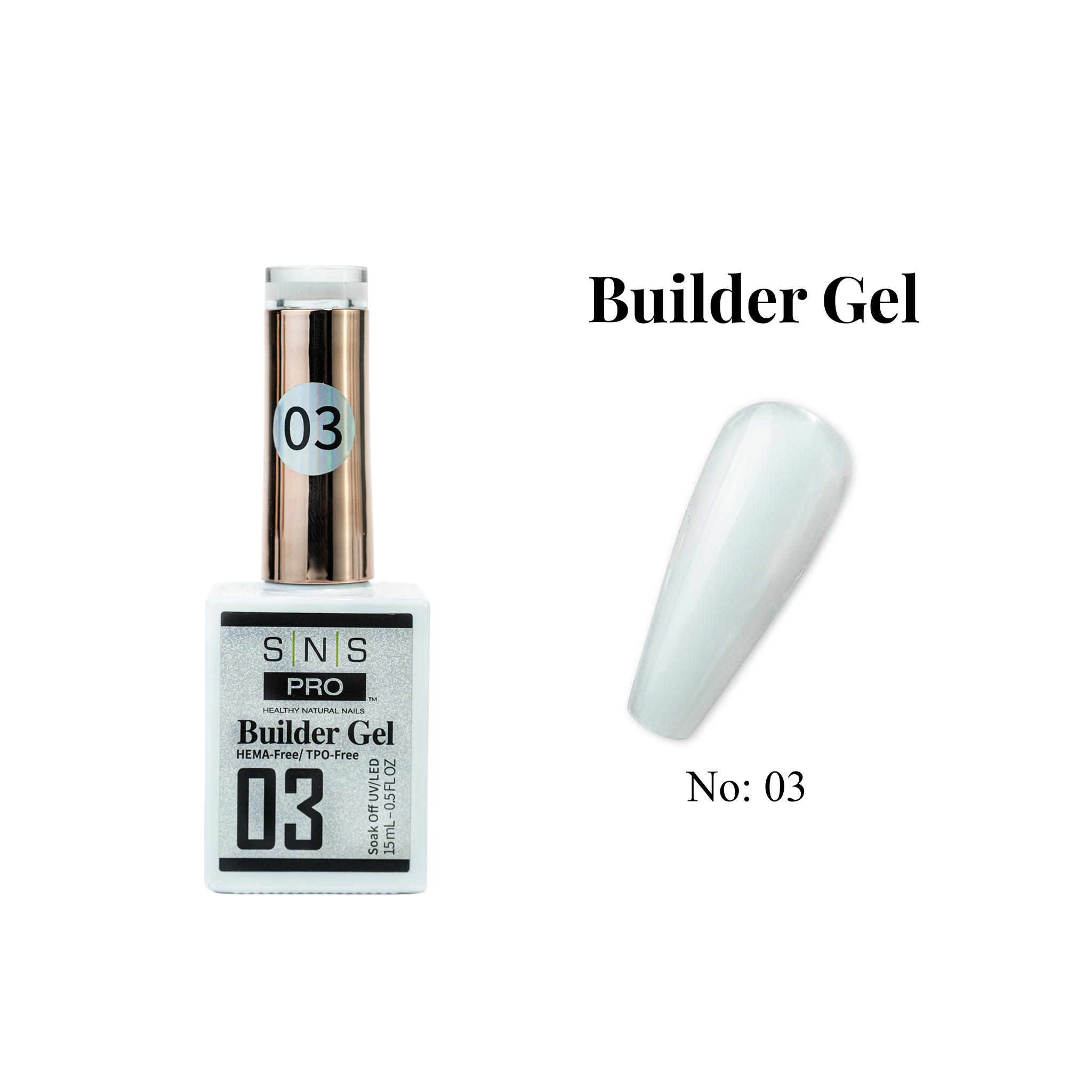
Type: Builder Gel
SNS Builder Gel In The Bottle - 03 - HEMA-Free/TPO-Free - 0.5oz
Frequently asked questions
What is the difference between this page and the Builder Gel page?
Scope. This page is our own line only: SNS Builder Gel in the Bottle, 24 shades plus the set, all brush-on, all formulated without HEMA and TPO. The Builder Gel page is the cross-brand one, where our gel sits next to the Lavis range so you can compare them, and Builder Gel, All Brands is wider still, adding the jar builders, the non-sticky sculpting gels and poly gel. Same products, three ways in: come here if you already know you want ours.
Can a builder gel in a bottle really hold an extension?
A short one, yes. Brush-on builder is at its best as an overlay on the natural nail and for adding an apex, a repair or a few millimeters past the free edge. For real length, the gel needs a mold or a tip to hold its shape while it cures, so use poly gel in a dual form, or a soft gel tip bonded and built over. The rule of thumb: if the client wants strength and a natural look, this is the product; if she wants length she can see, start with a form or a tip.
Why are the shades sheer, and which one should I pick?
Because a builder gel is structure, not color: sheer nudes and pinks even out the nail bed and hide the line where the natural nail ends, so the finished nail reads as a well-kept natural one. Start with three bottles: a clear-to-sheer for overlays on a strong natural nail, a milky nude to cover staining, and a natural pink for everyday wear. The shades are numbered rather than named, so pick from the swatch on each listing and confirm on a swatch stick when they arrive.
How is it removed, and does it damage the nail?
It soaks off like a gel polish: file the shine off the top layer, wrap in acetone for ten to fifteen minutes, and push the softened product away with a wooden stick, repeating rather than forcing. Nothing needs to be drilled off. The damage people blame on builder gel almost always comes from prying or over-filing the natural nail during removal or prep, not from the gel; keep filing over the apex to a minimum and let the acetone do the work.
What is SNS Builder Gel in the Bottle?
Our own builder gel, in a 0.5 oz bottle with the brush in the cap. It goes on like a thick gel polish and cures into a hard layer that carries structure: an overlay that stops a thin natural nail flexing, an apex that takes the wear off the free edge, a short extension, or a patch over a crack. It soaks off the same way a gel polish does, so nothing has to be drilled away.
We formulate the whole line without HEMA and without TPO. HEMA is the small monomer named most often when the skin around the nail reacts to gel; TPO is the photoinitiator that turns lamp light into a cure. Leaving both out is a description of the formula, not a promise about anyone's skin, and it is the reason we point clients with a reaction history here.
Which builder gel page do you need?
We keep three builder gel pages and they have different jobs.
| Page | Holds | Use it when |
|---|---|---|
| This page | SNS builder gel only: 24 shades plus the set | You want our own line, brush-on, HEMA-free and TPO-free |
| Builder Gel | SNS and Lavis builder gel side by side | You are comparing our gel against the Lavis range |
| Builder Gel, All Brands | Everything that builds: bottles, jars, non-sticky sculpting gel, poly gel | You want the whole category in one grid |
The 24 shades
Numbered 01 through 24, all sheer nudes and pinks rather than solid colors, because a builder gel is meant to look like the nail underneath it. A sheer shade evens out the nail bed and hides the line where the natural nail ends, which is what makes an overlay read as a good natural nail rather than an enhancement. The set of 24 puts the full range on the wall in one order.
We publish the shades as numbers with a swatch on each listing rather than color names, so pick from the photo and confirm on a swatch stick when the bottles arrive. Shade 15 is the natural pink most techs reach for first.
Which shade should you use?
- Overlay on a healthy nail: the clearest, sheerest numbers. The point is strength, not color.
- Evening out a patchy nail bed: a milky nude. It covers staining and the white free edge line without looking painted.
- Natural pink for everyday wear: shade 15 and the pinks around it, the "my nails but better" finish that books refills.
- Under a French: a sheer pink for the bed, then the white free edge painted or built over it.
- Base for color: any shade, since a gel polish from SNS Gel Only or a cat eye from Cat Eye Gel goes straight over the cured builder.
- Repairs: keep one sheer and one milky bottle at the station; a crack patched with builder gel and cured holds until the nail grows out.
How do you apply it?
- Prep. Push the cuticle back, take the shine off the plate with a fine buffer, dust and dehydrate. Prep decides how long the set lasts; the gel cannot hold onto shine.
- Base, cured. A thin coat of gel base from Base & Top Gel, cured under a UV/LED lamp. Our cordless lamp is under Nail Tools & Accessories.
- Thin frame coat, cured. One very thin layer of the builder over the whole nail. It gives the structural bead something to hold onto.
- Place the bead at the apex. Float a bead onto the stress point, roughly a third of the way down from the cuticle, then guide it toward the cuticle without touching skin and down to the free edge. Let it self-level for a few seconds instead of brushing it flat.
- Pinch cure, then full cure. Three to five seconds per finger holds the curve while you work, then the full hand for 60 to 90 seconds.
- Shape and finish. File the edge, buff lightly, and keep filing over the apex to a minimum so the structure you just built stays there. Color and top coat as normal.
Refills follow the same route: soak the color off, keep the builder that is still bonded, re-prep the regrowth and place a fresh bead. Our step-by-step guides go deeper: how to apply builder gel, nail prep for builder gel and apex and C-curve.
Bottle, jar, poly gel and rubber base compared
A bottle with a brush in the cap is the quickest way into builder work, which is why we put our line in one. A jar such as Lavis Builder Gel in the Jar needs your own brush but gives more control over bead size, and the non-sticky jar is for shapes that stand off the nail rather than structure. Poly gel is thicker again and is shaped in a dual form for real length. Rubber base is the flexible layer underneath, not a structural gel. For a comparison of all five, our blog has builder, hard, soft, polygel and rubber base compared.
Care and stocking
- Cap it and keep it out of the lamp's light. A bottle left open beside a running lamp thickens in the neck.
- Wipe the brush on the neck, not the rim, so the threads stay clean and the cap keeps sealing.
- Two thin layers beat one thick one. A bead that stays soft in the middle after a full cure was too thick for the lamp time, not a bad bottle; our note on why builder gel does not cure covers it.
- A tacky surface after curing is normal. That is the inhibition layer, and it is what the next coat bonds to. See why builder gel feels sticky.
- Opening order: two or three bottles, one sheer, one milky nude and one natural pink, cover most clients. Move to the set once builder work is a named service on the menu.