


Shop by type
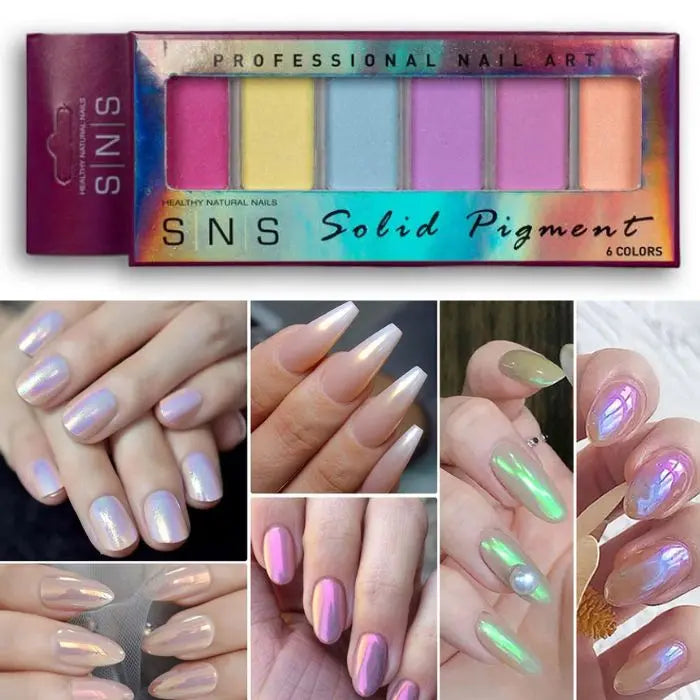
Type: Nail Art
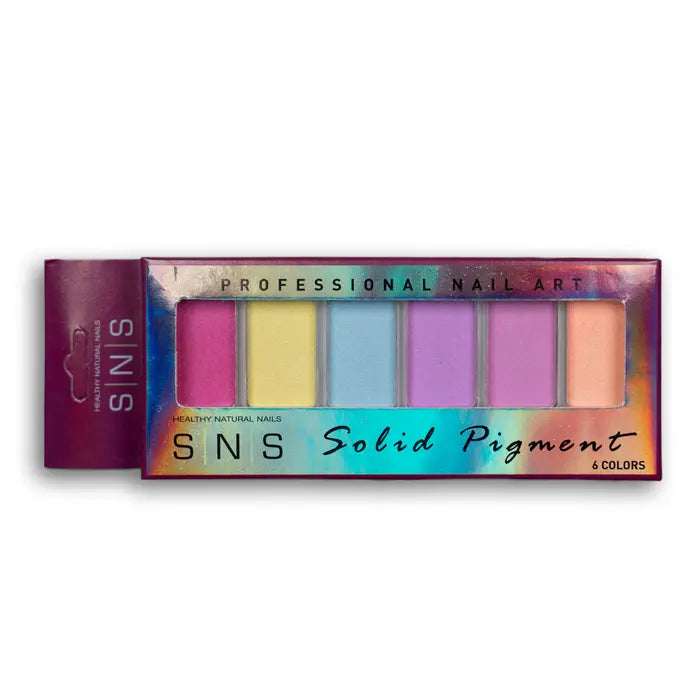
Solid Pigment - Chrome Rub-On Nail Art - UniChrome Palette


Type: Nail Art
LAVIS Chrome Powder - Super Clear - 2g


Type: Nail Art
LAVIS Chrome Powder - Super Clear - 0.5g


Type: Nail Art
LAVIS Chrome Powder AURORA 03 - 1g


Type: Nail Art
Golden Laser Holographic Chrome Powder - BJ165


Type: Nail Art
Silver Laser Holographic Chrome Powder - BJ175


Type: Nail Art
LAVIS Chrome Powder AURORA 11 - 1g


Type: Nail Art
LAVIS Chrome Powder AURORA 10 - 1g


Type: Nail Art
LAVIS Chrome Powder AURORA 09 - 1g


Type: Nail Art
LAVIS Chrome Powder AURORA 08 - 1g


Type: Nail Art
LAVIS Chrome Powder AURORA 07 - 1g


Type: Nail Art
LAVIS Chrome Powder AURORA 06 - 1g


Type: Nail Art
LAVIS Chrome Powder AURORA 05 - 1g


Type: Nail Art
LAVIS Chrome Powder AURORA 04 - 1g


Type: Nail Art
LAVIS Chrome Powder AURORA 02 - 1g


Type: Nail Art
LAVIS Chrome Powder AURORA 12 - 1g


Type: Nail Art
LAVIS Chrome Powder AURORA 01 - 1g


Type: Nail Art
LAVIS Chrome Classic - Titanium - 0.5gr (PCS)


Type: Nail Art
Golden & Silver Laser Chrome Powder - BJ165 + BJ175


Type: Nail Art
LAVIS Chrome Classic - Cyan - 0.5gr (PCS)


Type: Nail Art
LAVIS Chrome Classic - Red - 0.5gr (PCS)


Type: Nail Art
LAVIS Chrome Classic - Neon Red - 0.5gr (PCS)


Type: Nail Art
Set Aurora Galaxy Chrome 06 - 12, BLACK


Frequently asked questions
Do I need a chrome base, or will chrome stick to any top coat?
It needs a layer it can grip. Chrome pigment bonds to a chrome base, or to a no-wipe top coat that has been cured but not wiped, so the surface is still slightly tacky. Burnished onto a wiped, fully cured nail it will not take, and that is the commonest reason a first attempt fails. Seal afterwards with a no-wipe top: a wipe-off top can drag the pigment before it cures.
Which chrome should I buy first?
A silver, a gold and one Aurora. Between them they cover the mirror sets, rose gold (silver or gold over a pink bed) and the color-shift look clients bring in photos of. Add Aurora Galaxy, which is built for black and navy beds, and the laser holographics once chrome is a named service. Remember the finish depends as much on the color underneath as on the jar, so three pigments and a shelf of gel color give you dozens of results.
What is the difference between Aurora and Aurora Galaxy?
Both shift color as the hand turns; the difference is the bed they are built for. Aurora Chrome reads clearest over white and pastel beds and gives an opal, shell-like shift. Aurora Galaxy has more depth and is made to be used over black or navy, where it reads as a deep space-like shift rather than a pale opal. If a client wants soft and iridescent, use Aurora on light; if she wants dramatic, use Galaxy on dark.
Why did my chrome go dull or patchy after a day?
Three usual causes. It was not sealed, so the pigment wore off; it was sealed with a wipe-off top that dragged it while wet; or it was burnished onto a surface that had already been wiped, so only part of it bonded. Work it in small circles until the whole nail turns from matte to mirror, dust the loose pigment away, tidy the cuticle line, then cure a no-wipe top over it.
What is chrome powder?
A pigment so fine it behaves like a mirror. It is not painted on: you rub it into a cured gel layer with a soft applicator until the surface goes from matte to metal, then seal it. The powder itself does nothing on its own, which is the one thing worth knowing before the first order. It needs a base layer to grip, and it needs a top coat over it, or the finish rubs away within a day.
This page holds every chrome pigment we carry, across four finishes and several brands. The chips above jump to the art categories that sit beside it.
The four finishes
| Finish | What it looks like | On the page | Best over |
|---|---|---|---|
| Classic chrome | A straight mirror: silver, gold, copper and solid colors | Chrome Classic Powder in named colors (navy, red, purple, orchid, mauve, cyan) and numbered 01B to 06B; Lavis Chrome Classic 0.5 g singles | Black for the brightest mirror, or the matching color for a softer metal |
| Aurora | Shifts through purple, blue and pink as the hand turns | Aurora Chrome Powder 02 to 05 | White or pastel for an opal look; the shift reads clearest on a light bed |
| Aurora Galaxy | The same shift with more depth, built for dark beds | Aurora Galaxy Chrome 06 to 12 and BLACK, singly or as the set | Black or navy |
| Laser holographic | Rainbow scatter rather than a single shift | Golden and Silver Laser Holographic, singly or as a pair | Black for maximum scatter |
Two more sit slightly apart: the Lavis Super Clear, which lifts the shine of whatever is underneath rather than adding a color of its own, and the SNS UniChrome rub-on palette, six prismatic colors in one palette, made in the USA.
Why does the base color change the result?
Because chrome is a reflective layer, not an opaque one. It takes on what it sits over: a silver chrome on black reads as a hard mirror, the same silver on white reads soft and pearly, and on a mid pink it reads rose gold. That is why one jar of powder covers many looks and why shade names matter less here than the bed underneath. When a client shows you a chrome photo, the first question is what color is under it. Beds come from SNS Gel Only or any cured gel color.
How do you apply chrome powder?
- Build the nail and cure the color. Chrome goes on last, over a finished nail.
- Apply the layer chrome grips. A chrome base, or a no-wipe top coat, cured but not wiped, so the surface is still slightly tacky. Without this layer the pigment will not stick; it is the single commonest reason a first attempt fails.
- Rub, do not brush. Pick the powder up on a silicone applicator, an eyeshadow-style sponge tip or a soft applicator, and burnish it in small circles until the matte turns to mirror. Keep working the same spot rather than adding more powder.
- Dust off and tidy the edges. Brush the loose pigment away with a soft dust brush and clean the cuticle line before sealing.
- Seal with a no-wipe top. Cure. An unsealed chrome dulls within a day; a wipe-off top can drag the pigment, so use a no-wipe where you can. Tops are under Base & Top Gel.
Chrome, foil or a chrome liner?
Three different products for a metallic nail. Chrome powder is a loose pigment burnished into a tacky layer and gives a full mirror across the nail. A transfer foil from Nail Foil is a printed pattern on a carrier film pressed onto foil gel: use it when you want marble, leopard or a metallic print rather than a plain mirror. A chrome liner gel from LDS Line Art Gel is a gel you draw with, for a metallic line rather than a whole nail. They stack: a chrome nail with a foil accent and a liner outline all sit under the same top coat.
Looks worth stocking for
- Full mirror set: classic silver or gold over black on every nail. The request that never stops.
- Rose gold: silver or gold chrome over a mid-pink bed; no separate rose pigment needed.
- Aurora over cat eye: an Aurora chrome over a cured cat eye nail, so the magnetic band shows through the shift.
- Glazed-donut nails: a pearl or white bed with a light chrome burnished thin, sealed glossy.
- Accent only: one chromed nail against four plain ones, which is the fastest way to sell the service without adding time to every finger.
- Holiday: Aurora Galaxy on black, or laser holographic for the party weeks.
Removal and wear
A chromed nail comes off exactly like the gel underneath it, because the pigment is sealed inside the top coat rather than sitting on the surface. File the shine off to break the seal, wrap in acetone, wait, and push the softened layers away; the chrome does not need its own step. Wear is the same as any gel manicure too, with one caveat: a chrome finish shows growth at the cuticle more plainly than a cream does, because the mirror breaks at the regrowth line. Clients who want the longest-looking wear from a chrome set are better served by an accent nail or two than by ten.
Care, storage and stocking
- Keep jars closed and dry. Chrome pigment clumps once it picks up moisture, and a clumped powder will not burnish flat.
- One applicator per finish. Aurora pigment carried into a silver jar dulls the silver; wipe or swap the tip between colors.
- Work over a mat. The powder travels, and it will show up on the next client's cuticle if the station is not wiped down.
- A little goes a long way. Most of a first order is wasted by loading too much on the applicator; burnish what is there before adding more.
- Opening order: a silver, a gold and one Aurora covers the requests a salon gets first. Add the Galaxy set and the laser holographics once chrome is on the menu by name.