


Shop by type
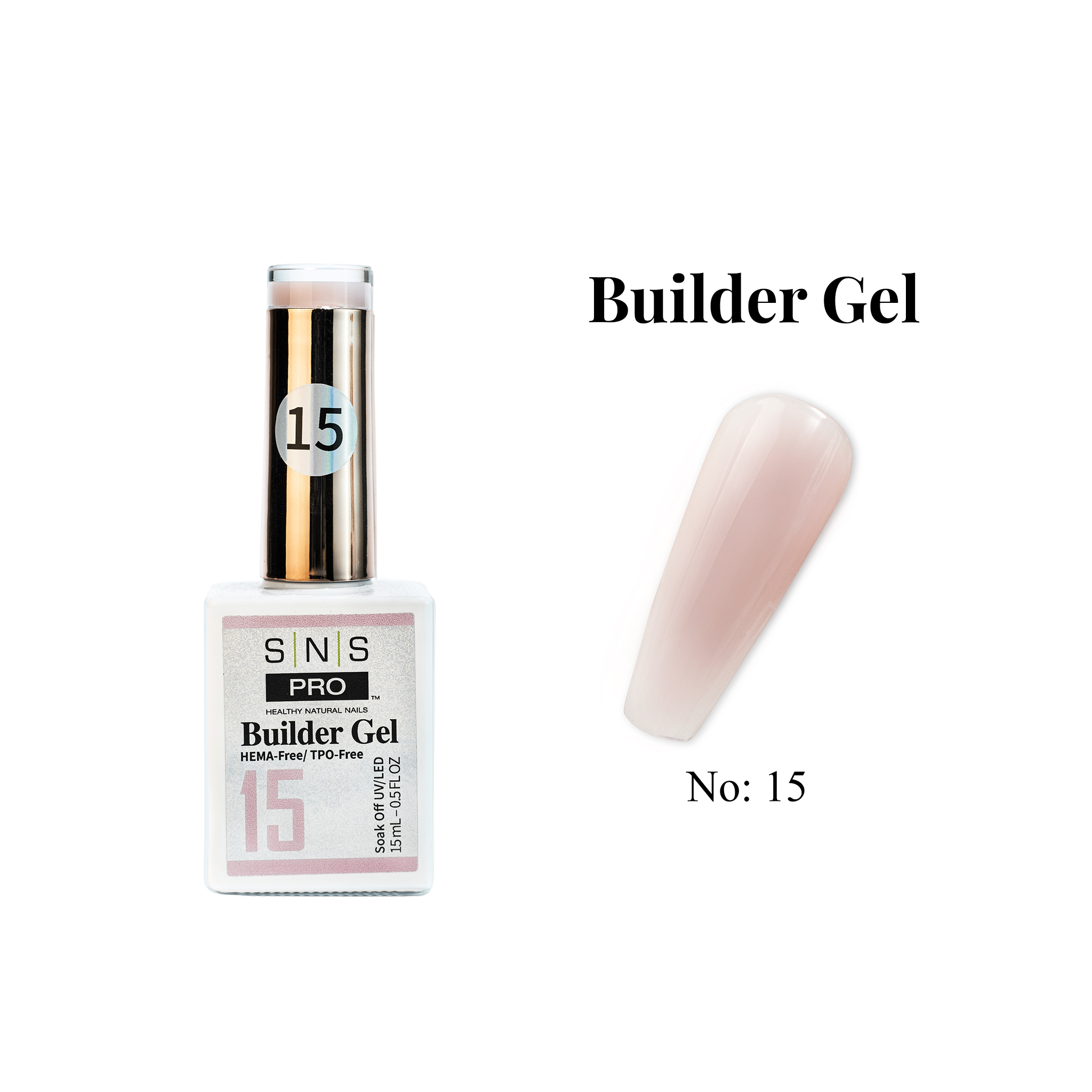
Type: Builder Gel
SNS Builder Gel In The Bottle - 15 - HEMA-Free/TPO-Free - 0.5oz
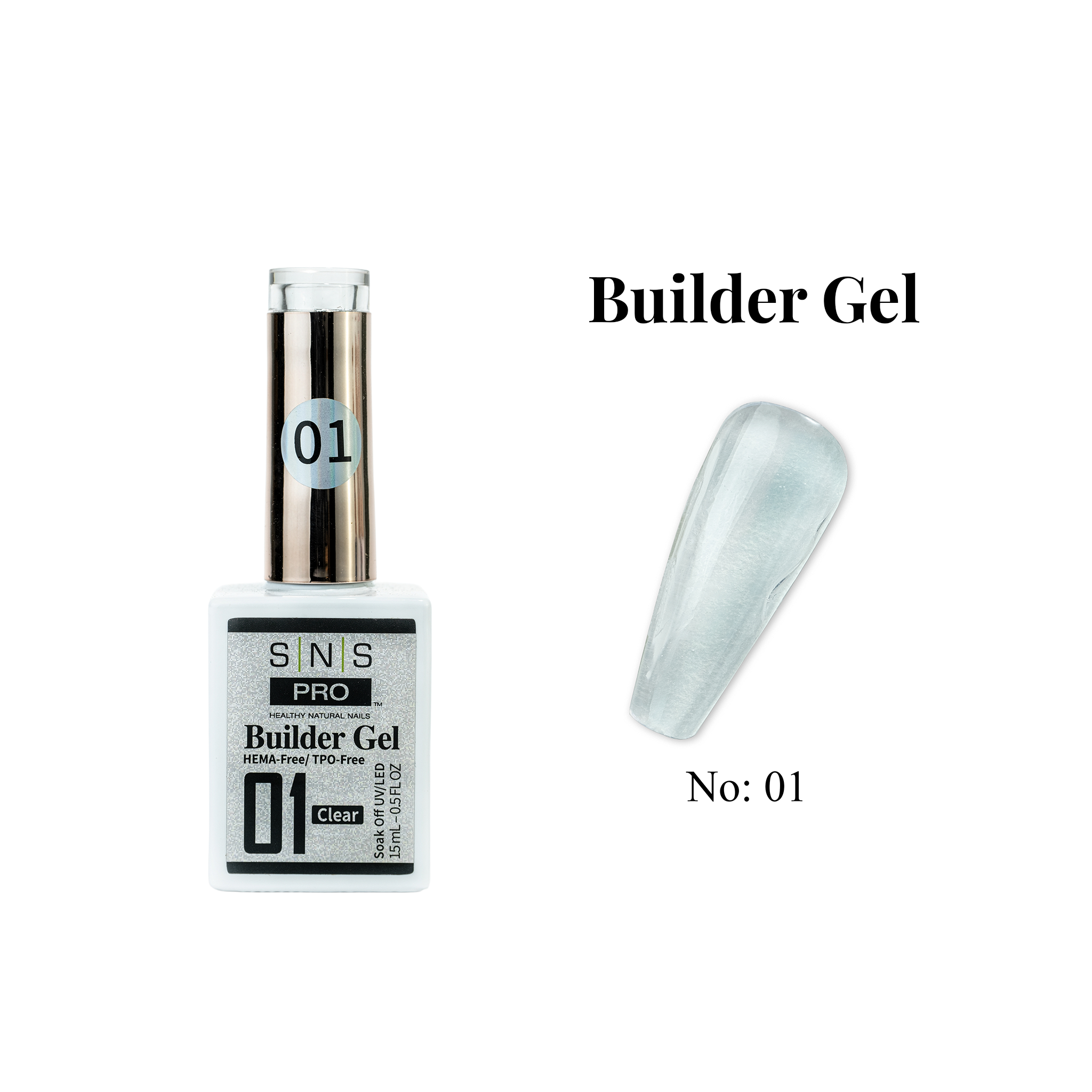
Type: Builder Gel
SNS Builder Gel In The Bottle - 01 - HEMA-Free/TPO-Free - 0.5oz
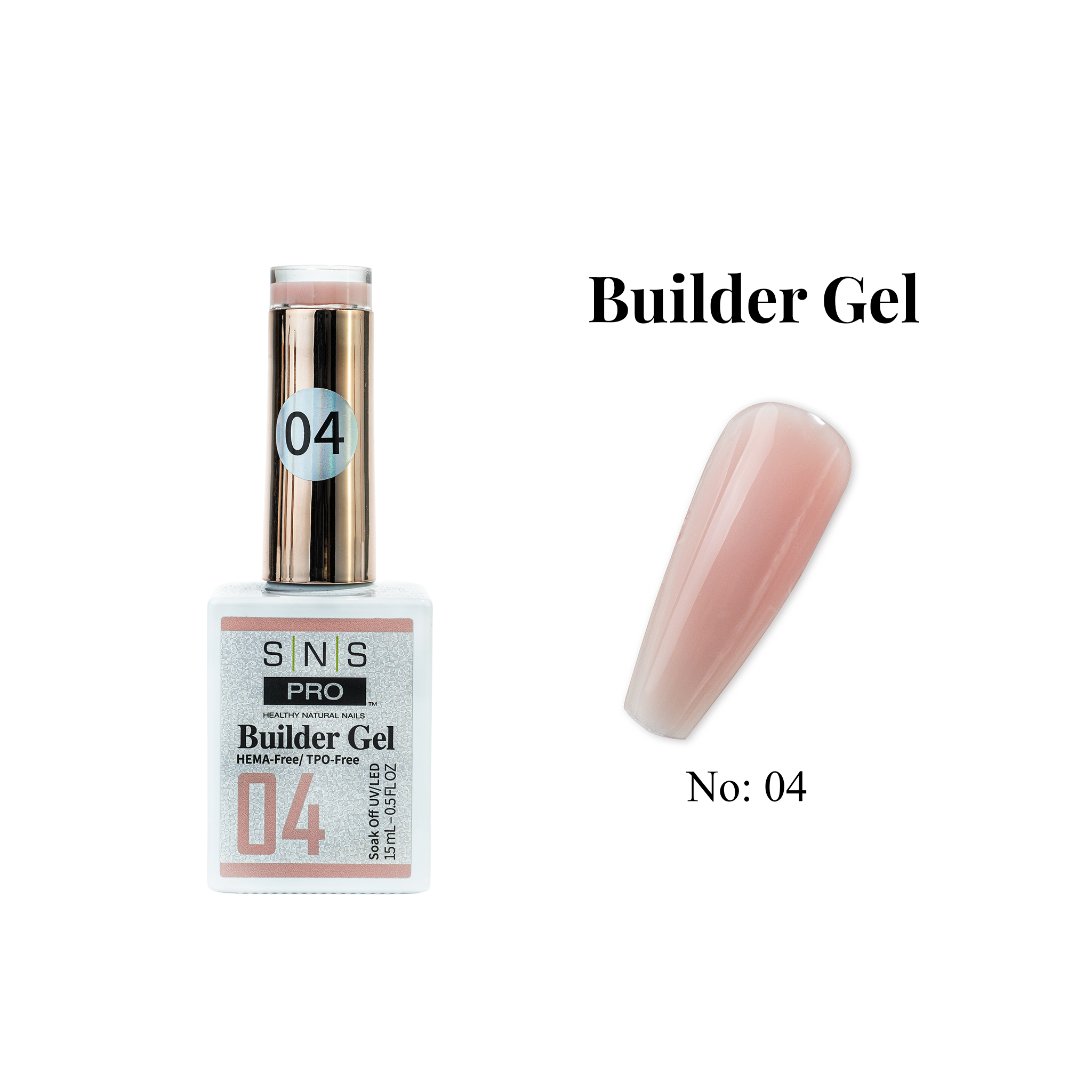
Type: Builder Gel
SNS Builder Gel In The Bottle - 04 - HEMA-Free/TPO-Free - 0.5oz
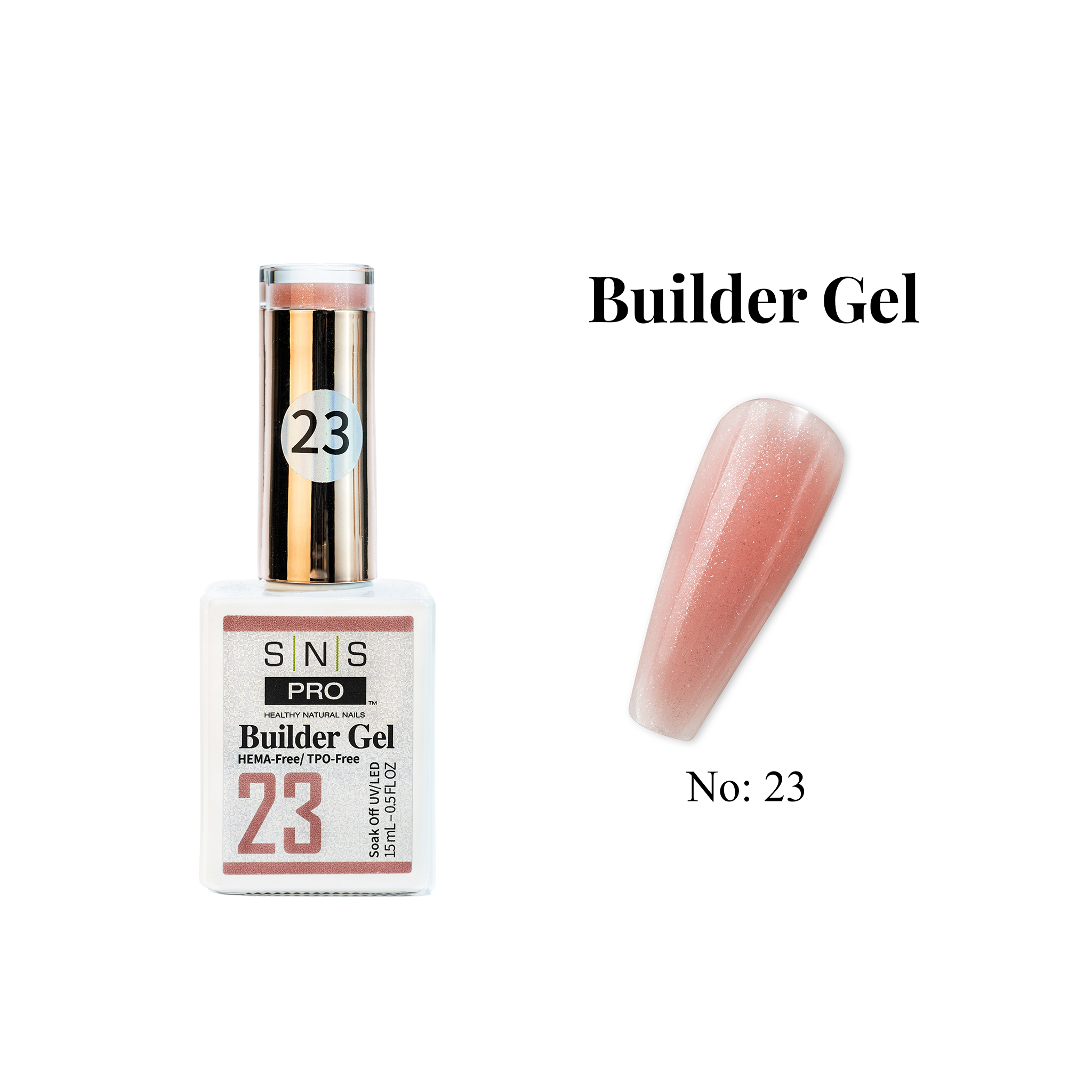
Type: Builder Gel
SNS Builder Gel In The Bottle - 23 - HEMA-Free/TPO-Free - 0.5oz
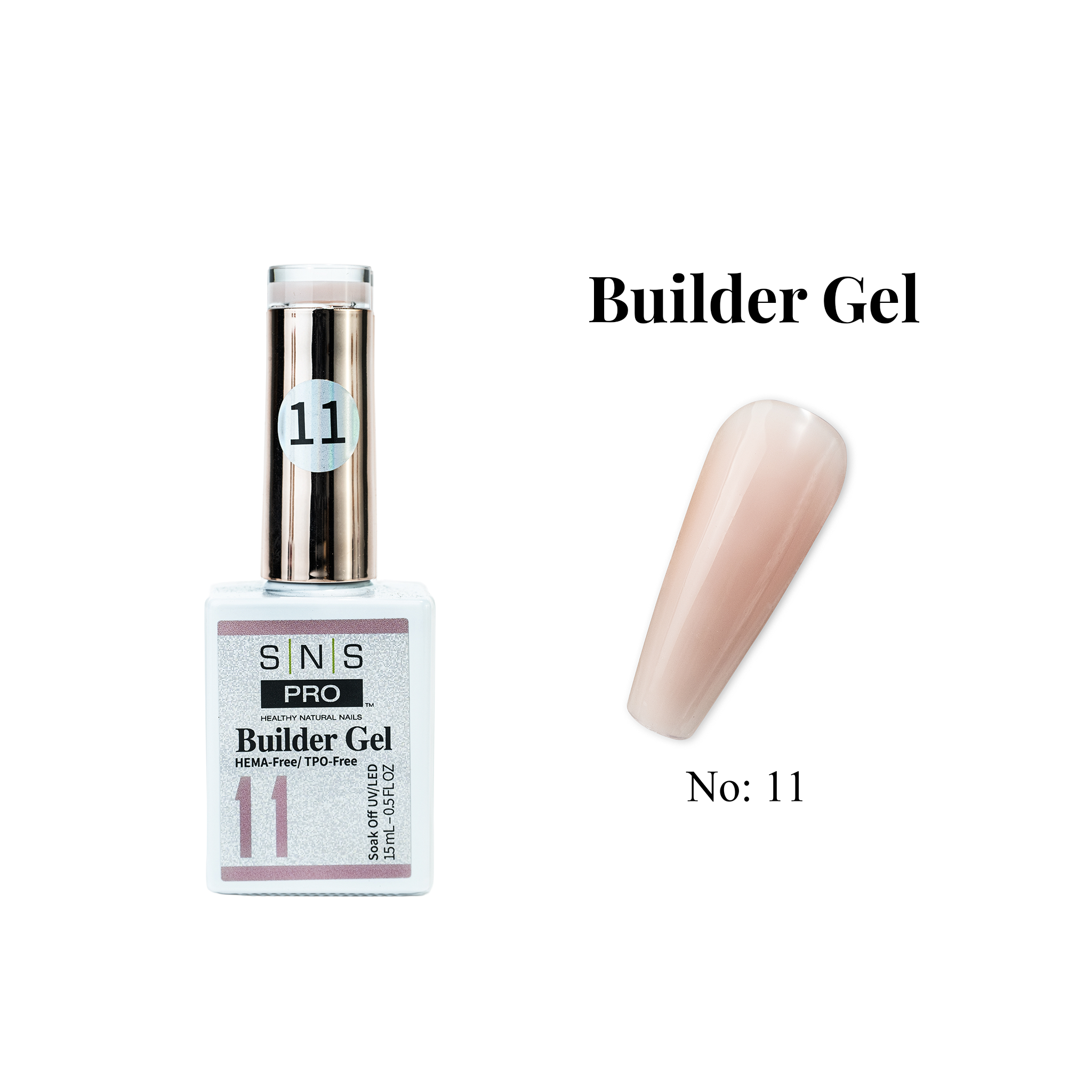
Type: Builder Gel
SNS Builder Gel In The Bottle - 11 - HEMA-Free/TPO-Free - 0.5oz
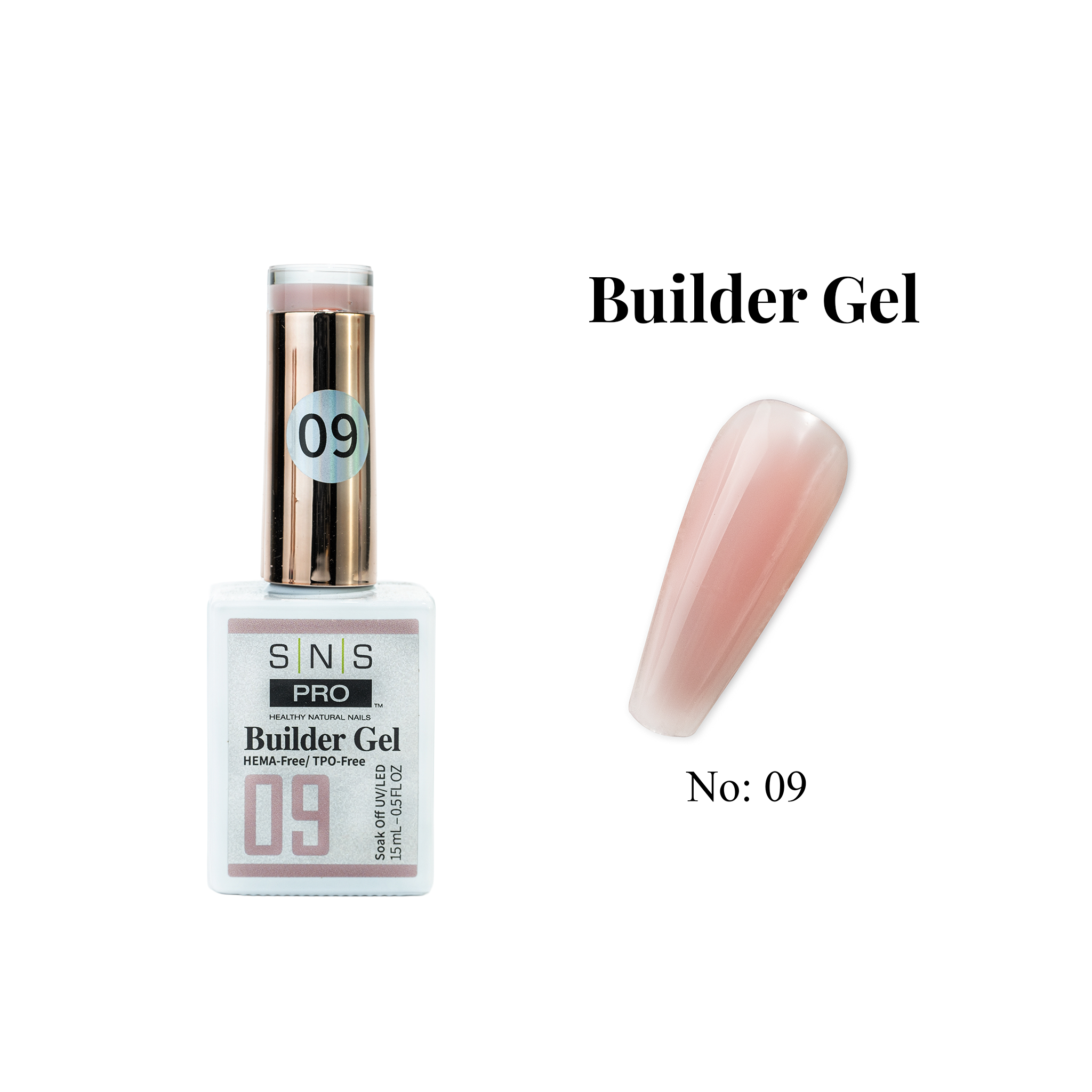
Type: Builder Gel
SNS Builder Gel In The Bottle - 09 - HEMA-Free/TPO-Free - 0.5oz
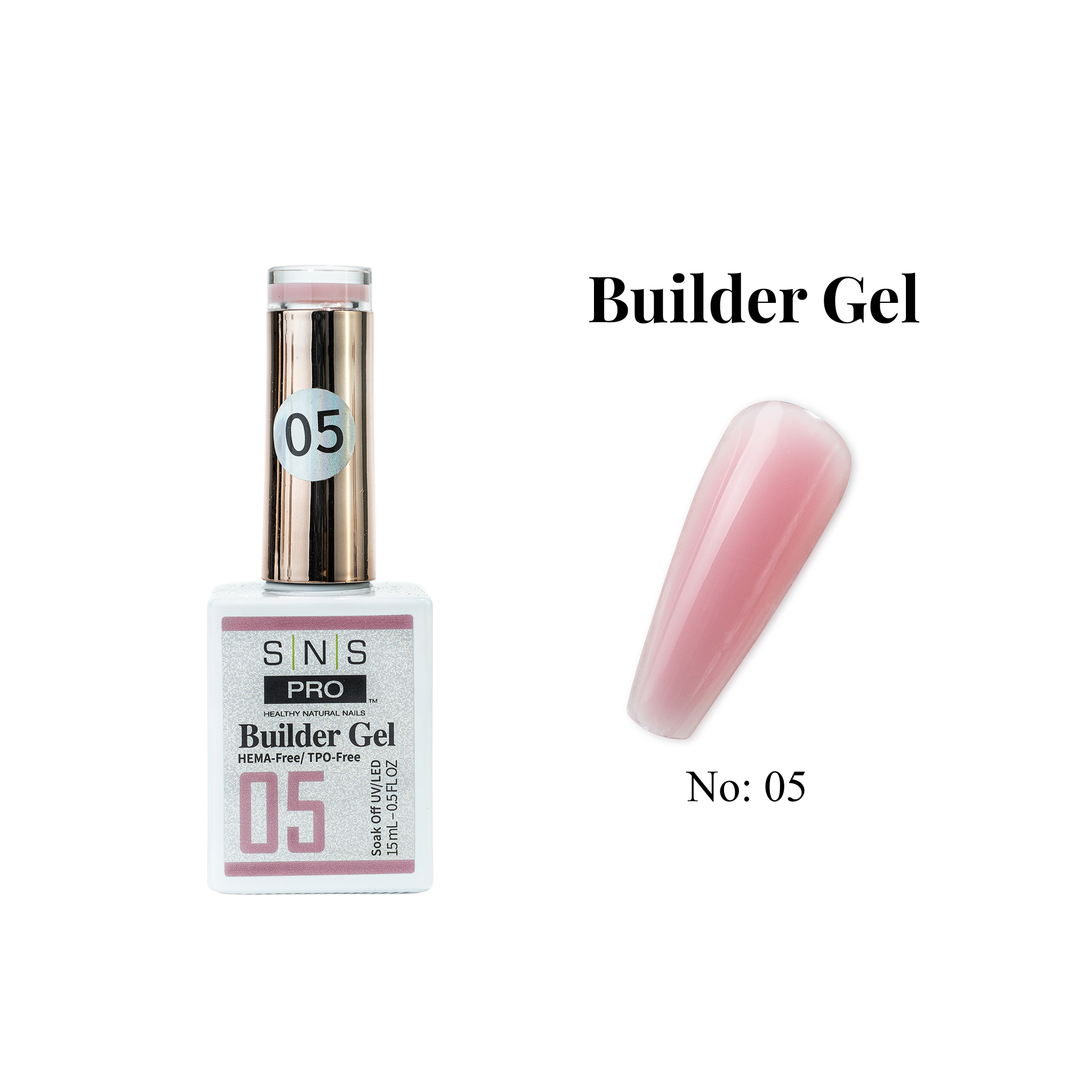
Type: Builder Gel
SNS Builder Gel In The Bottle - 05 - HEMA-Free/TPO-Free - 0.5oz
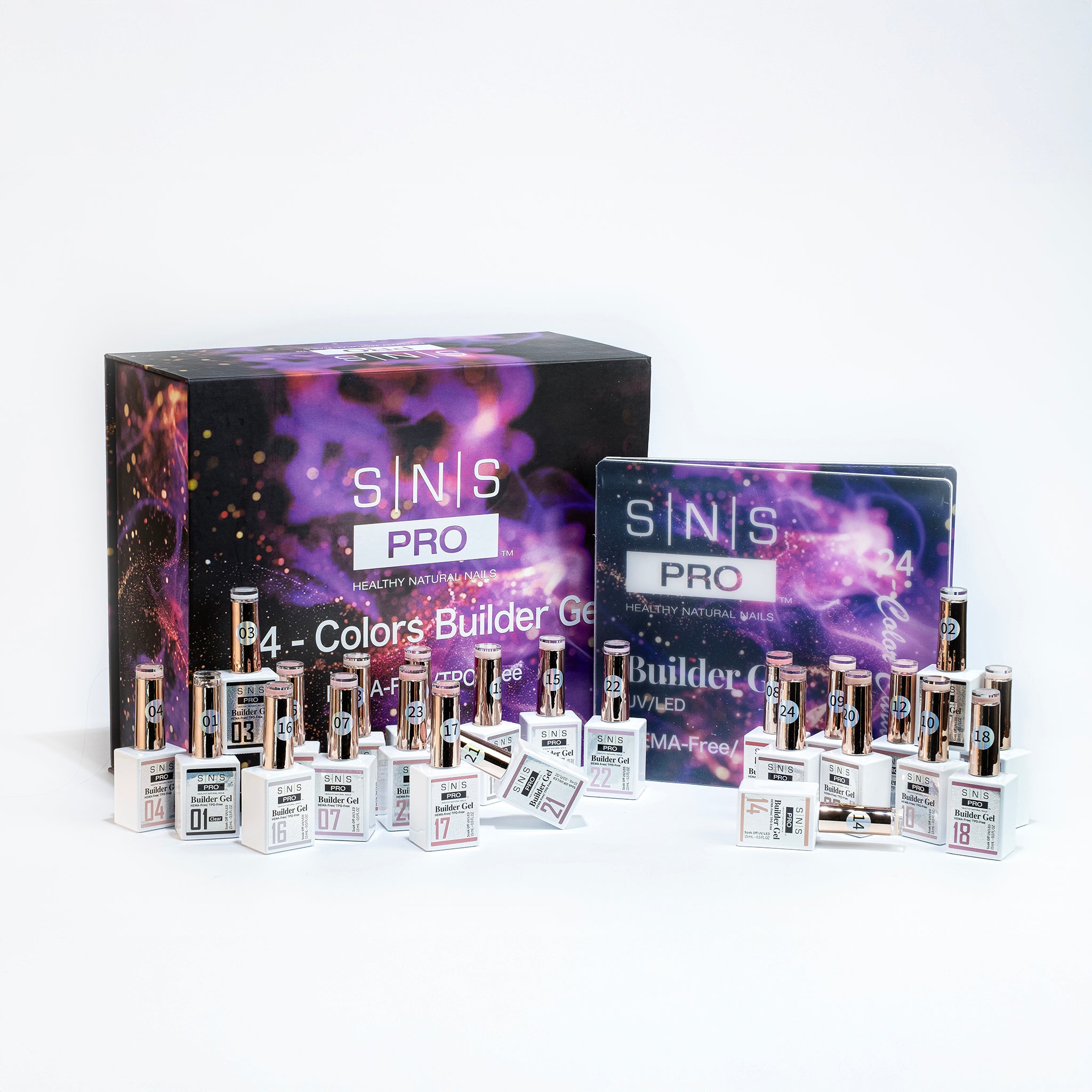
Type: Builder Gel
SNS Builder Gel In The Bottle - Set 24 Colors - HEMA-Free/TPO-Free - 0.5oz
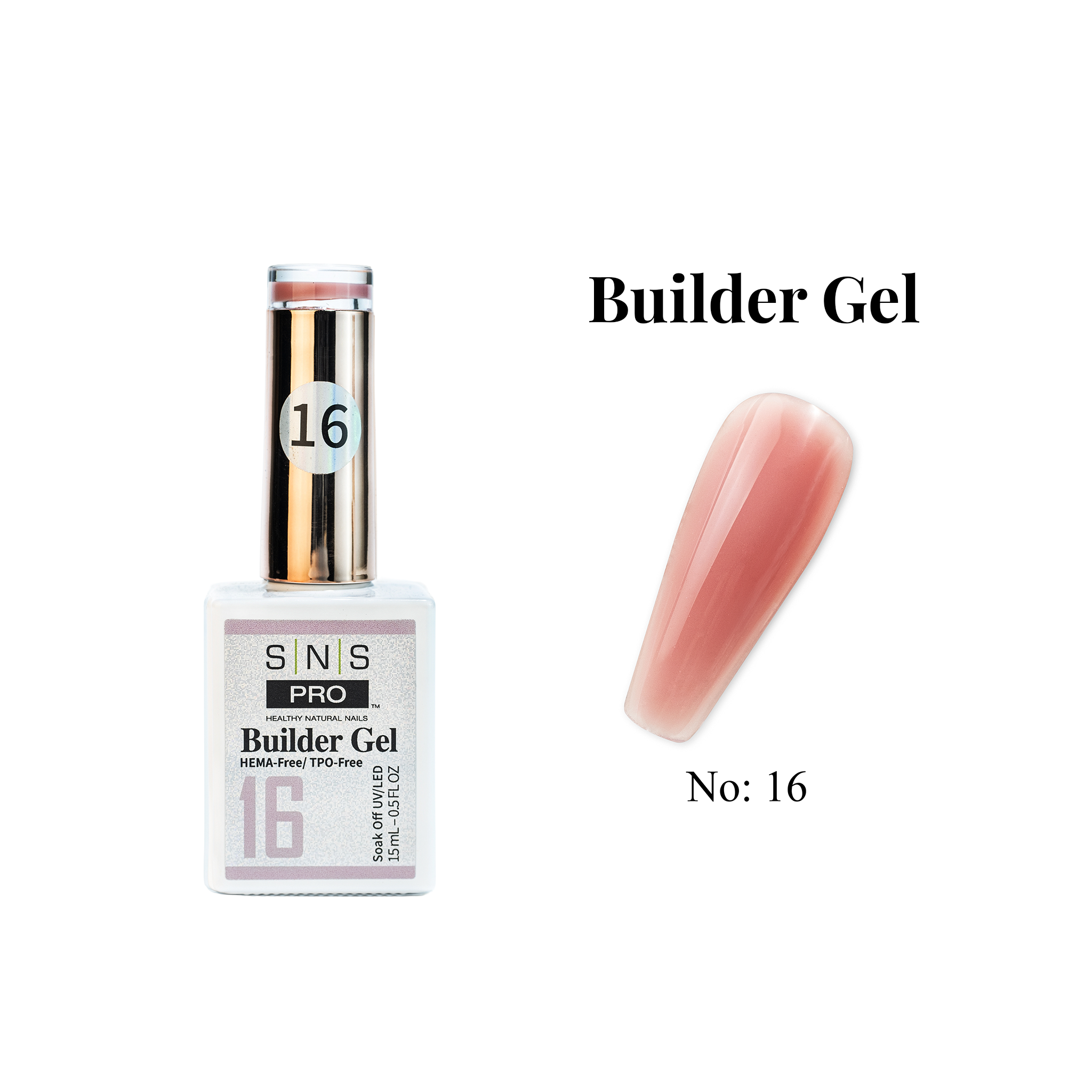
Type: Builder Gel
SNS Builder Gel In The Bottle - 16 - HEMA-Free/TPO-Free - 0.5oz
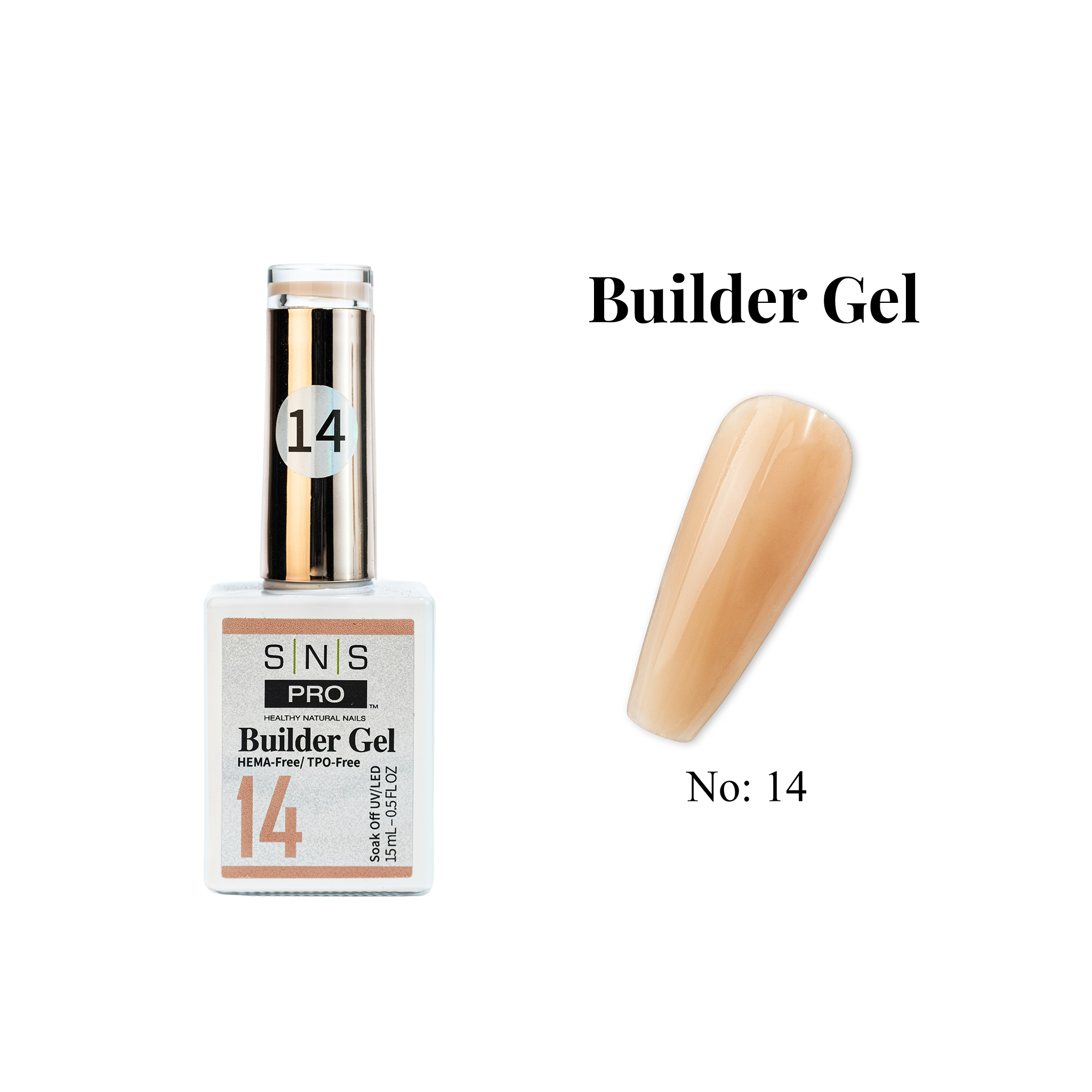
Type: Builder Gel
SNS Builder Gel In The Bottle - 14 - HEMA-Free/TPO-Free - 0.5oz
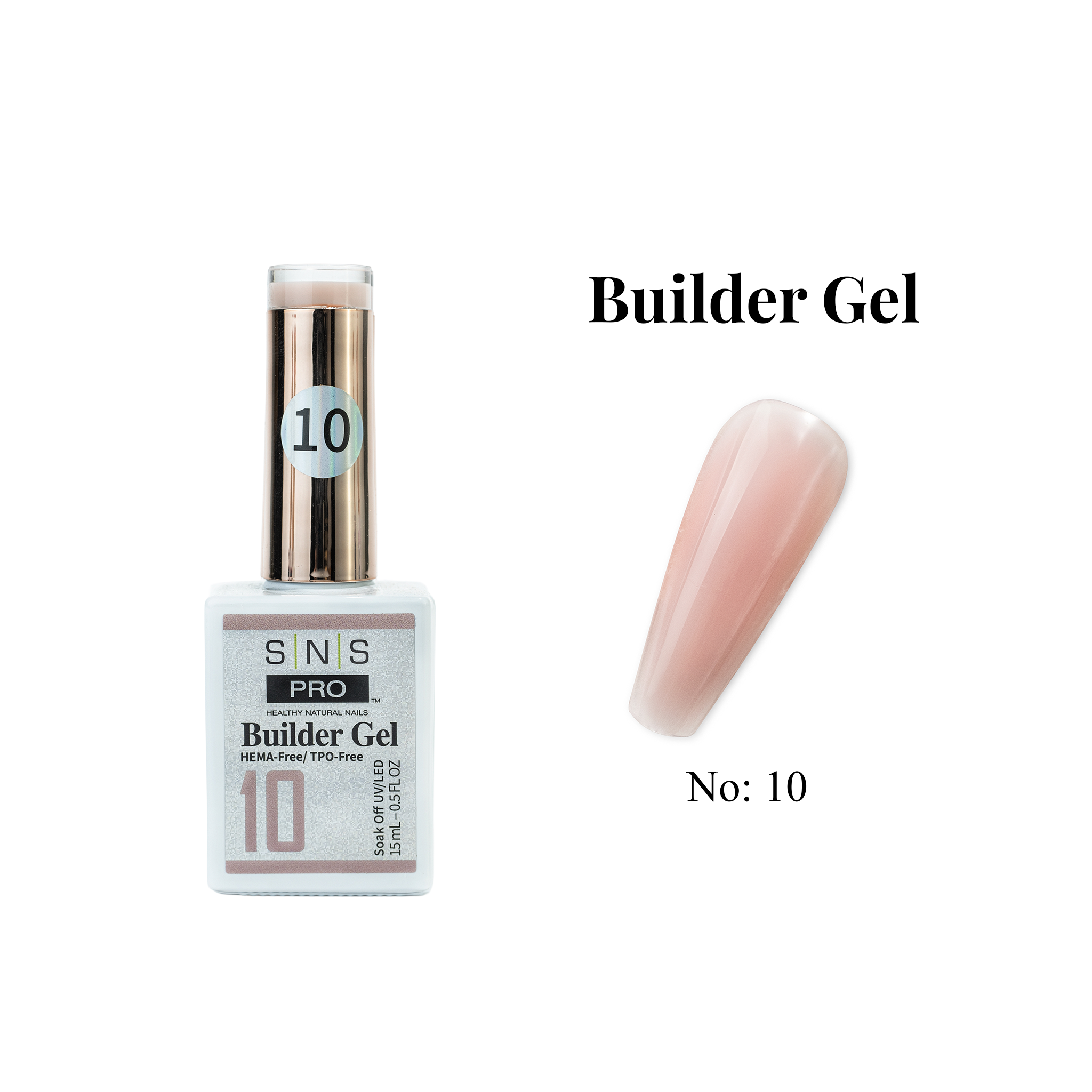
Type: Builder Gel
SNS Builder Gel In The Bottle - 10 - HEMA-Free/TPO-Free - 0.5oz


Type: Builder Gel
LAVIS 14 Pink Sugar - Builder Gel In The Jar 30ml


Type: Builder Gel
LAVIS 10 Strawberry Gloss - Builder Gel In The Jar 30ml


Type: Builder Gel
LAVIS 01 French White - Builder Gel In The Jar 30ml


Type: Nail Art
LAVIS Builder Gel Jar Non Sticky - 00 Clear 15g


Type: Gel Color
LAVIS Builder Gel In The Bottle - B1-05 Blushing Bride - Gel Polish 0.5oz


Type: Gel Color
LAVIS Builder Gel In The Bottle - B1-02 Milky White - Gel Polish 0.5oz


Type: Gel Color
LAVIS Builder Gel In The Bottle - 00 Clear - Gel Polish 30ml
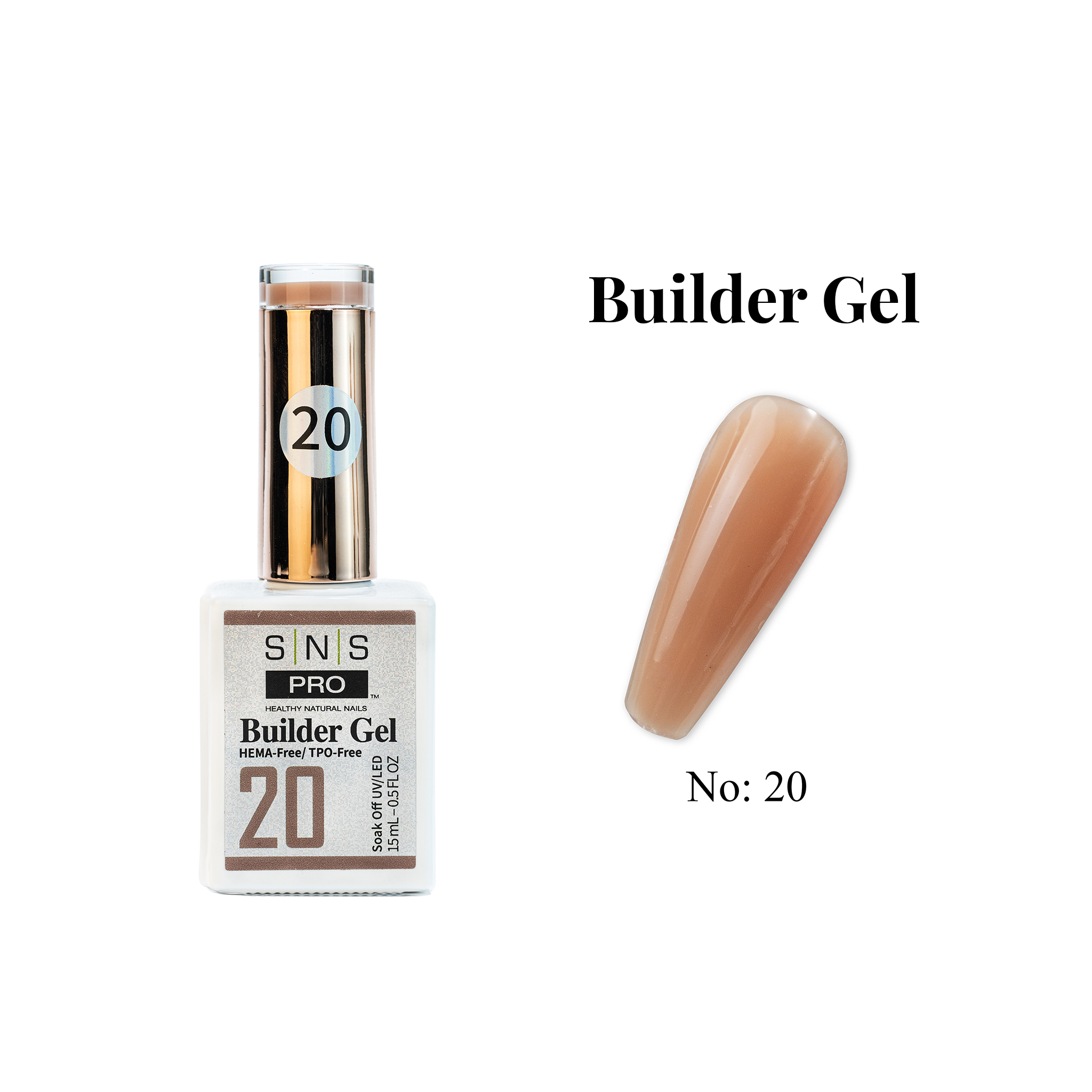
Type: Builder Gel
SNS Builder Gel In The Bottle - 20 - HEMA-Free/TPO-Free - 0.5oz
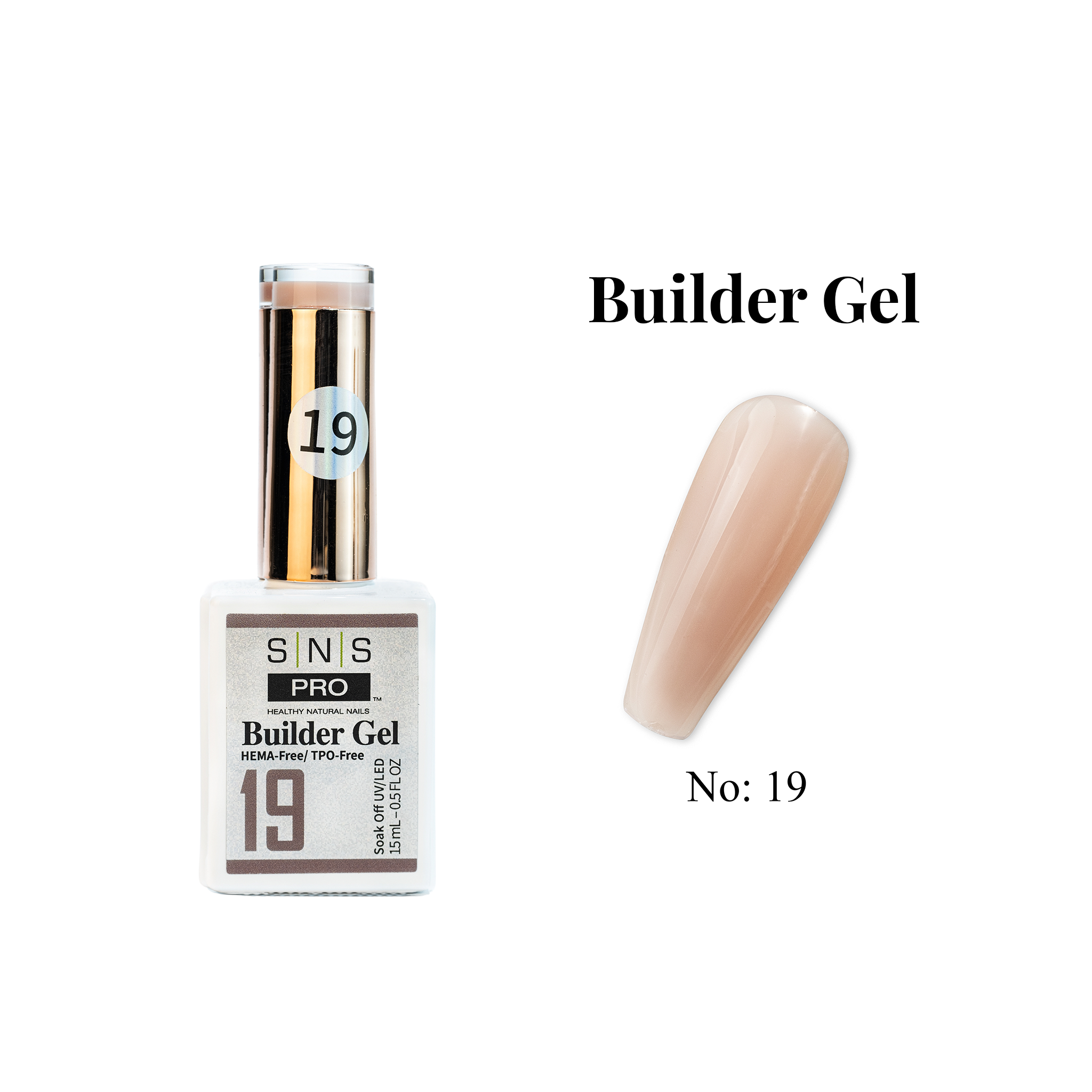
Type: Builder Gel
SNS Builder Gel In The Bottle - 19 - HEMA-Free/TPO-Free - 0.5oz
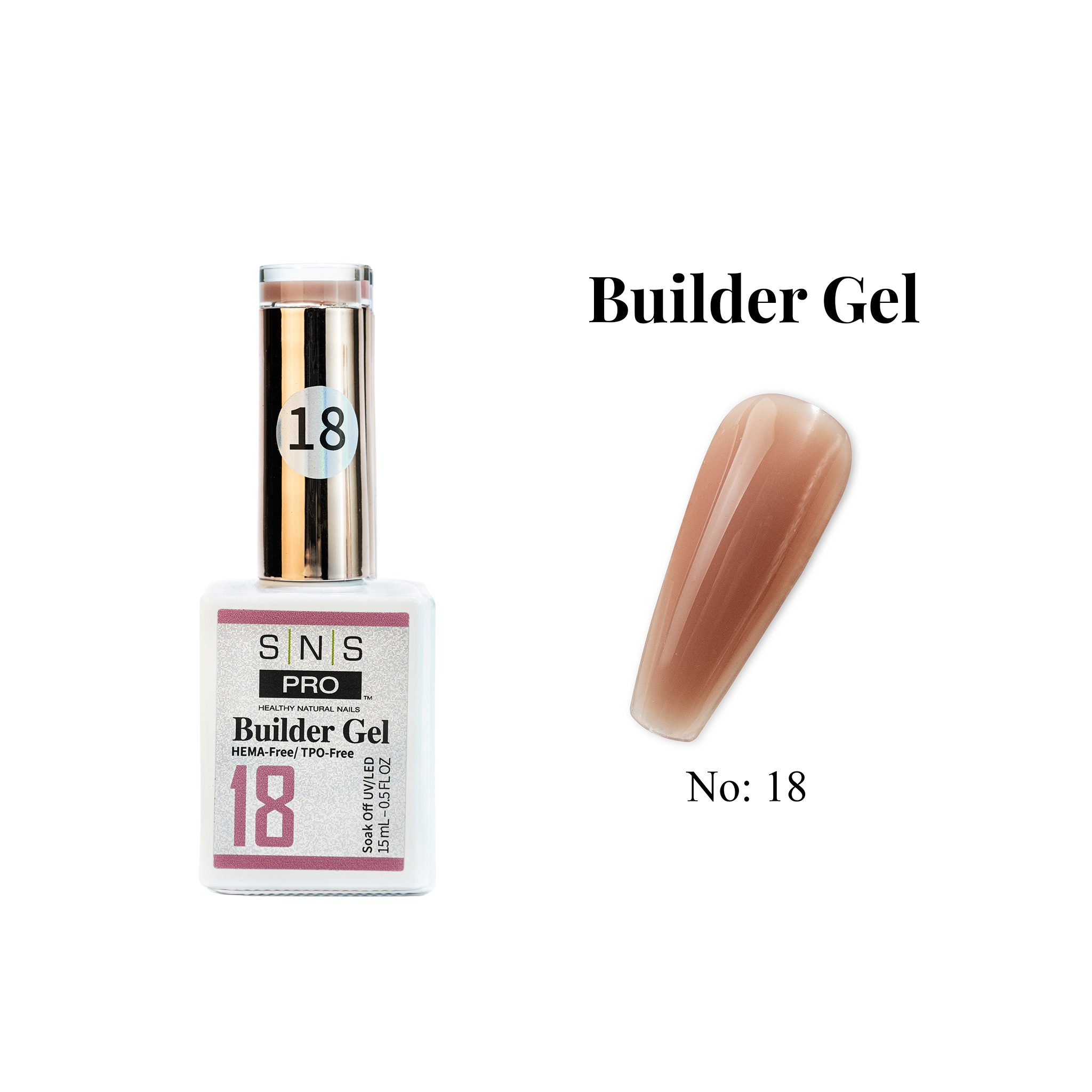
Type: Builder Gel
SNS Builder Gel In The Bottle - 18 - HEMA-Free/TPO-Free - 0.5oz
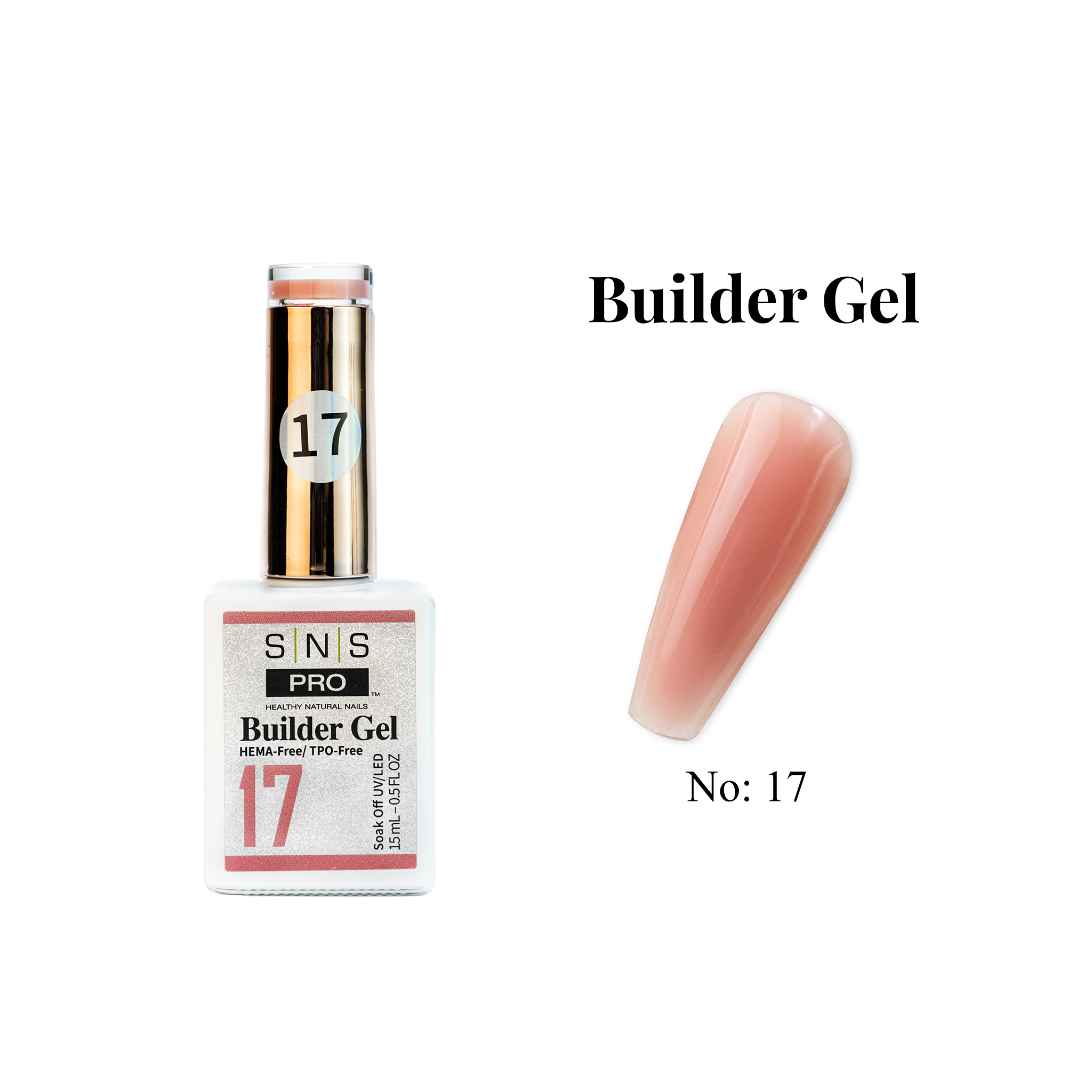
Type: Builder Gel
SNS Builder Gel In The Bottle - 17 - HEMA-Free/TPO-Free - 0.5oz
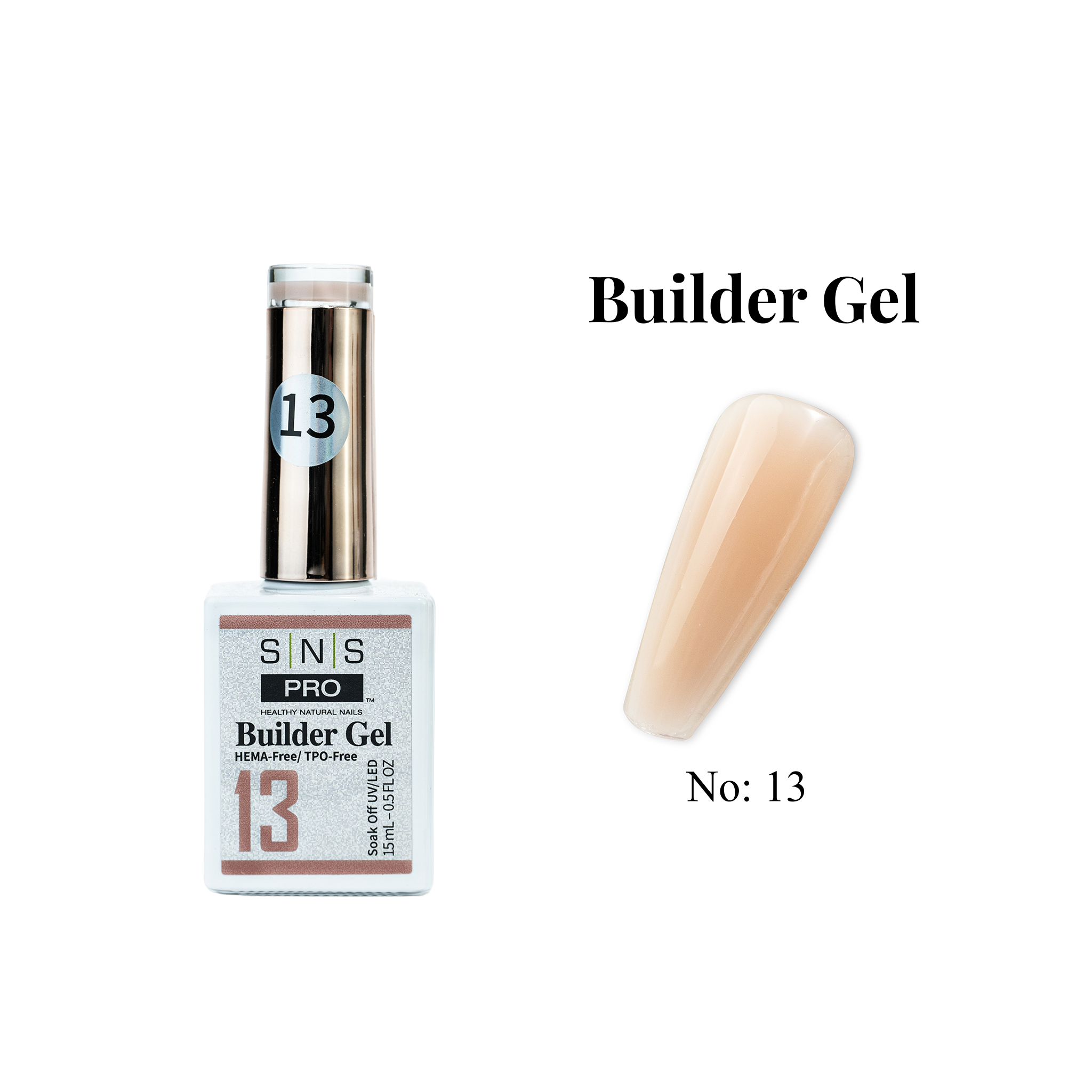
Type: Builder Gel
SNS Builder Gel In The Bottle - 13 - HEMA-Free/TPO-Free - 0.5oz
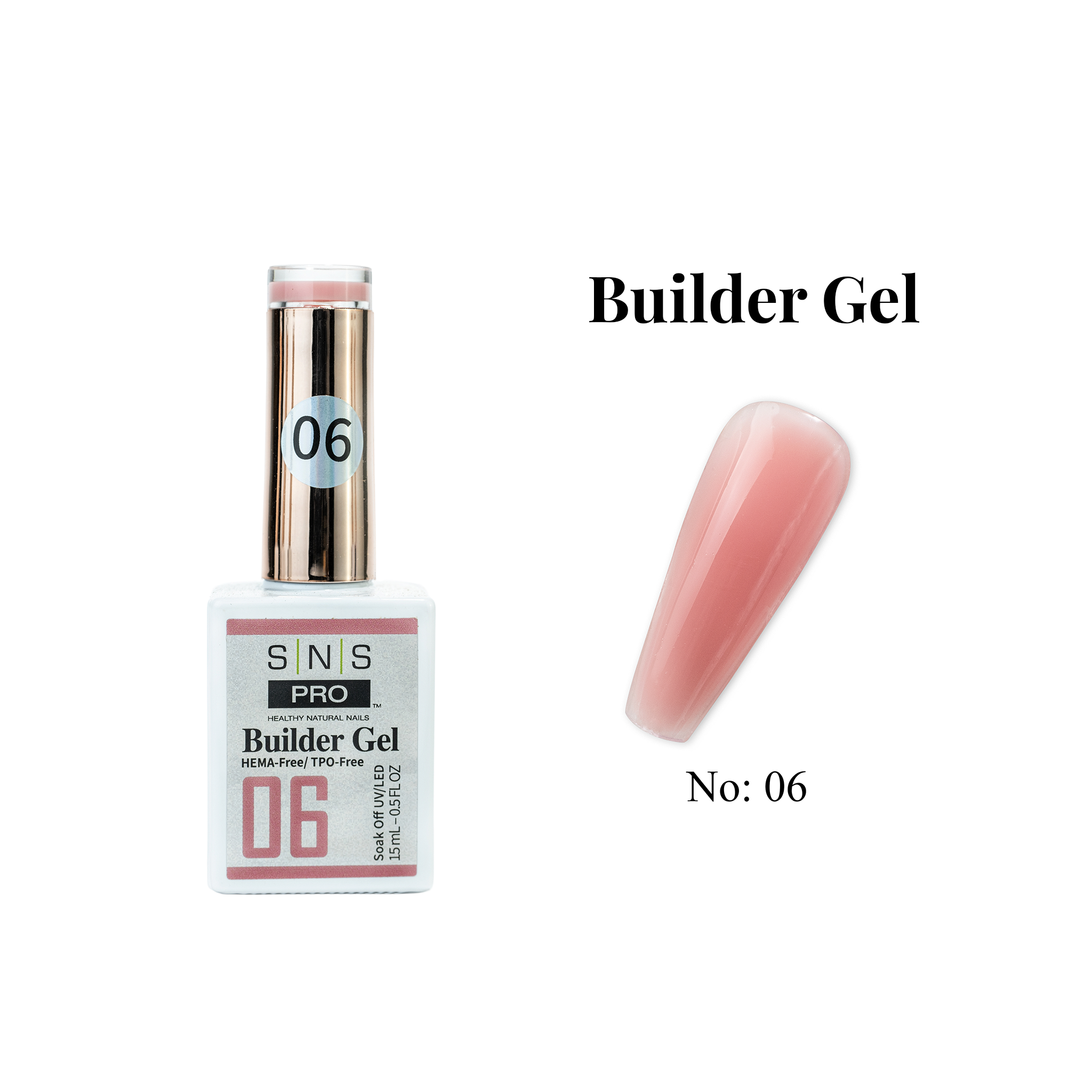
Type: Builder Gel
SNS Builder Gel In The Bottle - 06 - HEMA-Free/TPO-Free - 0.5oz


Type: Builder Gel
LAVIS 18 Apricot - Builder Gel In The Jar 30ml


Type: Builder Gel
LAVIS 17 Ambrosia - Builder Gel In The Jar 30ml


Type: Builder Gel
LAVIS 16 Toasted Marshmellow - Builder Gel In The Jar 30ml


Type: Builder Gel
LAVIS 15 Pink Press - Builder Gel In The Jar 30ml


Type: Builder Gel
LAVIS 13 Pink Vanilla - Builder Gel In The Jar 30ml


Type: Builder Gel
LAVIS 12 Himalayan - Builder Gel In The Jar 30ml


Type: Builder Gel
LAVIS 11 Coquette - Builder Gel In The Jar 30ml


Type: Builder Gel
LAVIS 09 Rose - Builder Gel In The Jar 30ml


Type: Builder Gel
LAVIS 08 Uptown Girl - Builder Gel In The Jar 30ml


Type: Builder Gel
LAVIS 07 Princess Pink - Builder Gel In The Jar 30ml


Type: Builder Gel
LAVIS 06 Pastel Mellow - Builder Gel In The Jar 30ml


Type: Builder Gel
LAVIS 05 Blushing Bride - Builder Gel In The Jar 30ml
Frequently asked questions
What is the difference between builder gel, poly gel and hard gel?
Thickness and what holds the shape while it cures. Builder gel is brushed or beaded onto the nail and self-levels into an apex, so it suits overlays, short extensions and repairs. Poly gel is thicker again and does not level, so it is pressed into a dual form or over a tip to build real length. Hard gel is the older, densest category, filed rather than soaked off. On this site the builder and poly ranges soak off, which is why we stock them: removal is acetone and patience rather than a drill.
Bottle or jar: which should I buy?
Bottle if you are learning or mostly doing overlays, because the brush is in the cap and the viscosity meters the gel for you. Jar if you already sculpt, especially coming from acrylic, because you choose the bead size and the brush, and a 30 ml pot holds more gel than a bottle in the same space. Cured, they are the same class of product; the container is the difference. A jar needs a builder or polymer brush, which the bottle does not.
Which builder gels here are HEMA-free?
The SNS line is formulated without HEMA and without TPO and says so on every bottle listing. The Lavis builder range is formulated without HEMA. We state these as ingredients left out of the formula rather than as a safety promise, because no cosmetic can promise that nobody will react. It matters most for techs, whose exposure is daily, and for clients who have reacted to gel before.
Can I use a non-sticky jar gel to build an apex?
You can, and Lavis rates it for extensions, but it is not the right tool. A structural builder self-levels into a smooth curve; a non-sticky sculpting gel holds every mark the tool leaves, which is what you want in a petal or a bow and not in an apex. Use a bottle or a 30 ml jar for structure and keep the non-sticky pots for 3D flowers, raised French, charms and encapsulated art.
What counts as a builder gel?
Any gel thick enough to hold a shape while it cures, so it adds structure rather than just color. That covers an overlay that stops a thin nail flexing, the apex that takes wear off the free edge, a short extension, and a repair over a crack. It is the middle ground between a gel polish, which is only color, and acrylic, which is mixed at the brush: builder gel has the strength of an enhancement with the flexibility of a gel, and it cures under a lamp with no odor and little heat.
This page is the whole category in one grid, SNS and Lavis together, from brush-on bottles to sculpting jars to poly gel. If you already know which format you want, the chips at the top jump straight to it.
The five formats
| Format | Range | Best at | Needs |
|---|---|---|---|
| Brush-on bottle, SNS | SNS Builder Gel in the Bottle, 24 sheer shades and a set | Overlays, apex, short extensions, repairs | Nothing, the brush is in the cap |
| Brush-on bottle, Lavis | Lavis Builder Gel in the Bottle, 72 sheer naturals across the B1 and B2 books plus clear, in Ver 1 and the thicker Ver 2 | The same jobs with a much wider shade range; Ver 2 stays where it is brushed | Nothing |
| Jar, 30 ml | Lavis Builder Gel in the Jar, clear plus 18 named nudes and pinks | Sculpting, control over bead size, more gel per pot | Your own builder brush |
| Non-sticky jar | Lavis Non-Sticky Builder Gel and the 3D Sculpture Gel glitters | 3D flowers, bows, raised French, charms, encapsulation | A silicone tool |
| Poly gel | Poly Gel, All Brands, including the Lavis non-sticky range | Real length built in a form | A dual form and a poly gel brush |
One more layer sits underneath all of them: rubber base, a flexible base coat that cushions the structure above it. It is not a builder in its own right.
Which format should you buy?
- New to builder work: a brush-on bottle. The brush is in the cap, the gel self-levels into an apex, and there is one product to learn instead of a product plus a tool.
- Coming from acrylic: a 30 ml jar. Bead and brush is the motion you already know, without the monomer or the smell.
- Overlays on natural nails all day: bottles, in the shade range your clients ask for. This is where the Lavis B1 and B2 books earn their space.
- Clients who want length: poly gel in a dual form, or a soft gel tip from Soft Gel Tips built over with builder.
- 3D art, bows and charms: a non-sticky jar. It is a sculpting gel, not a structural one, so it holds every mark the tool leaves.
- A salon standardizing on one brand: compare the two lines side by side on Builder Gel, which holds SNS and Lavis together.
Why are some builder gels HEMA-free?
HEMA is the small monomer used in most gel products to make them bond and cure, and it is the ingredient named most often when the skin around the nail reacts. Sensitivity builds with exposure, so the people most likely to develop it are techs, who handle gel all day. Our SNS line is formulated without HEMA and without TPO, the photoinitiator that turns lamp light into a cure, and the Lavis builder range is formulated without HEMA. We describe these as ingredients left out of the formula, not as a promise that nobody can react to a cosmetic.
How do you build a nail with any of them?
- Prep. Cuticle back, shine off the plate with a fine buffer, dust and dehydrate. Prep decides how long the set lasts more than the gel does.
- Base, cured. A thin gel base, or a rubber base when you want more flex underneath. Both are under Base & Top Gel.
- Thin frame coat. One very thin layer of the builder over the whole nail so the structural bead has something to grip.
- Place the bead at the apex. Set it on the stress point about a third of the way from the cuticle, push it back toward the cuticle without touching skin, then draw it to the free edge and let it settle rather than brushing it flat.
- Pinch cure, then full cure. Three to five seconds a finger to hold the curve, then 60 to 90 seconds for the hand.
- For length, fill a dual form instead, press it on, cure, release and refine.
- Finish. Shape the free edge, keep filing over the apex to a minimum, then color and top coat.
Brushes for each format are on the brush page: a short firm oval for jar work, a double-ended oval and liner for sidewalls, a flat brush for poly gel. Refills and removals go faster with an e-file from Nail Drills.
Bottle or jar, in practice
The honest difference is control against convenience. A bottle meters the gel for you: dip, wipe, brush, and the viscosity does the rest, which is why a beginner gets a clean apex from a bottle sooner than from a pot. A jar lets you decide how big the bead is and which brush places it, which matters once you are building the same shape on ten nails at speed, and a 30 ml pot holds more gel than a bottle in the same space on the trolley. Neither is stronger than the other once cured; they are the same class of product in a different container.
Care, storage and refills
- Keep every builder out of the lamp's light. An open bottle or pot beside a running lamp skins over or thickens in the neck.
- One brush per pot color where you can, and wipe with gel cleanser between shades so a pink pot does not tint the clear.
- Do not thin a builder gel. The body is what holds the apex; thinned gel runs into the cuticle.
- Cure in two thinner layers rather than one thick bead if the middle stays soft. That is a lamp-time problem, not a bad bottle.
- Refill rather than remove. Soak the color off, keep the builder that is still bonded, re-prep the regrowth and place a fresh bead. Refills are the steady half of a builder menu.