

Article
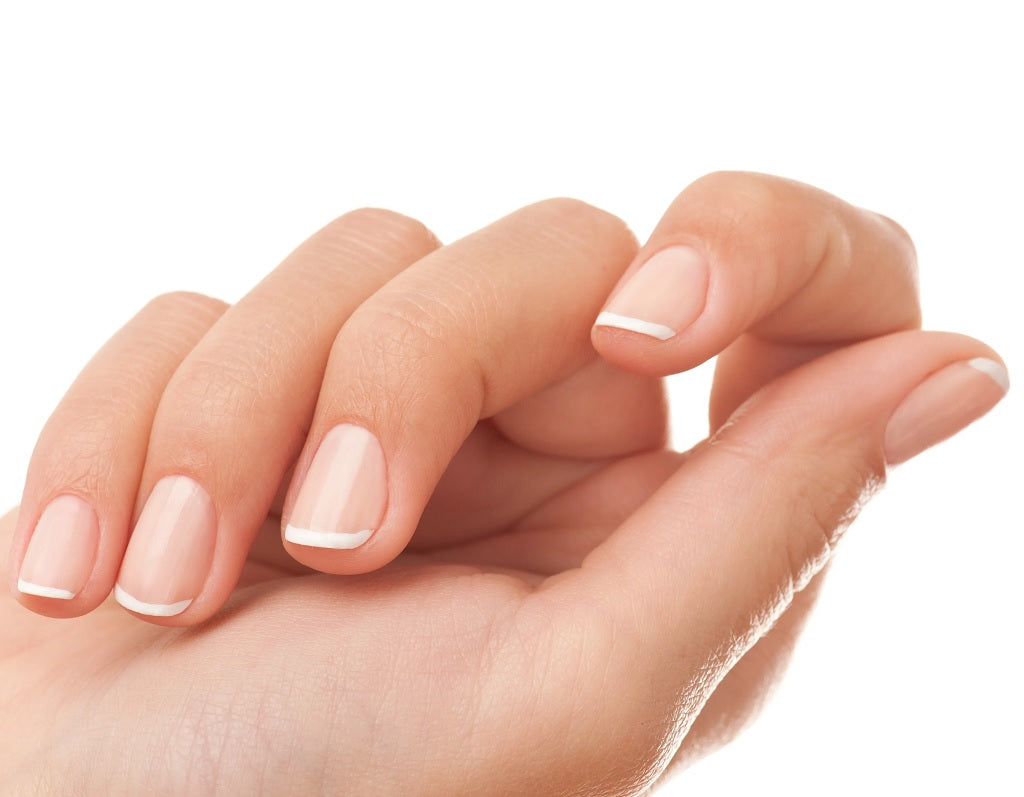

Our Favorite SNS Shades for Your Upcoming Holiday Party
As we embrace the holiday season, chances are your social calendar is brimming with festive parties and gatherings...
Learn more
How to Get Rid of Fingernail Ridges
Fingernail ridges manifest as colorless, raised, thin lines running vertically along the nail bed from the cuticle to the tip of the nail...
Learn more
Do I Have Nail Fungus?
Nail fungus, also known as onychomycosis, is a common fungal infection that affects the nails, most commonly with the toenails. It is caused by various fungi, such as dermatophytes, yeasts, and molds, which thrive in warm and moist environments. The infection often begins as a small white or yellow spot under the tip of the nail and can gradually spread, causing the nail to become discolored, thickened, and distorted. If not treated Symptoms Nail fungus, or onychomycosis, can present with various symptoms that can vary depending on the severity of the infection. Common signs of a nail fungus infection include: Discoloration:One of the early signs is a change in the color of the affected nail. The nail may turn yellow, brown, green, or white. Thickening:The infected nail often becomes thicker than normal. This is due to the accumulation of fungal debris and the nail's natural response to the infection. Brittleness:Infected nails may become brittle and prone to crumbling or breaking. The texture of the nail can change, becoming rough or ragged. Distorted Shape:The nail may lose its normal shape as the infection progresses. It can become warped, twisted, or have an irregular contour. Lifting of the Nail:The infection can cause the nail to separate from the nail bed. This condition is known as onycholysis and may result in a gap between the nail and the underlying skin. Changes in Nail Texture:The infected nail may develop an uneven surface or pits. It can also show signs of scaling or flakiness. Foul Odor:Sometimes nail fungus can produce a noticeable and unpleasant odor. This is typically associated with the accumulation of fungal debris and the breakdown of the nail structure. Pain or Discomfort:While nail fungus usually isn't painful in the early stages, it can cause discomfort as the infection progresses. In some cases, pressure or pain may arise due to the thickening of the nail or secondary bacterial infections. Causes Warm and Moist Environments:Fungi thrive in warm and moist environments. Walking barefoot in communal areas such as swimming pools, gyms, and locker rooms can expose your feet to the fungus. Additionally, damp shoes and socks create an ideal breeding ground for fungi. Poor Foot Hygiene:Poor foot hygiene, such as not keeping the feet clean and dry, can contribute to the growth of fungi. Failing to regularly wash and dry the feet, especially between the toes, increases the risk of fungal infections. Pre-existing Skin Conditions:People with pre-existing skin conditions, such as psoriasis or eczema, may have an increased risk of developing nail fungus. Age:The risk of developing nail fungus increases with age. Older individuals may experience slower nail growth and diminished blood circulation, making it easier for fungi to establish an infection. Foot Trauma or Injuries:Trauma to the nail or surrounding skin, such as a stubbed toe or repeated pressure on the nails from poorly fitting shoes can create openings for fungi to enter. Genetics:There may be a genetic predisposition to fungal infections. If a family member has had nail fungus, you may be more susceptible to the condition. Prevention Keep your nails clean and dry. Wash your hands and feet regularly, drying well after. Keep your nails trimmed. Long nails allow bacteria and fungi to breed and grow. Cut nails straight across and disinfect your nail clippers after every use. Wear absorbent socks and change socks regularly throughout the day, especially after exercise or excessive sweating. Wear footwear in public locker rooms, pool areas, and other communal areas. Choose nail salons that prioritize hygiene. They should be using fresh, sanitized tools for each new customer. Skip acrylic and artificial nails as bacteria and fungus can grow underneath. Use high-quality nail products such as those from SNS. At SNS we prioritize healthy, beautiful nails and formulate all of our products with nutrient-rich ingredients that nourish the nail beds and promote healthy growth. Nail fungus can be tricky to treat. If you happen to discover a change in your nails' appearance or texture and think it may be nail fungus, a dermatologist or medical professional can provide a proper diagnosis, address the issue, and prescribe a topical medication to help get rid of it.
Learn more
BIAB vs Dip Powder: Which is Right For You?
If you regularly scroll TikTok or Instagram, you’ve probably heard of the latest manicure technique BIAB (Builder in a Bottle.) The trending 'builder' method is making waves in the manicure scene, hailed as a healthier option compared to acrylics, with an extra dose of shine. Emerging as a top nail trend for 2024, BIAB offers a strengthening treatment that can be customized with anything from understated neutrals to dazzling nail art. Not only is it more durable, it's also gentler on your natural nails than other manicure options, but how does it compare to dip powder? BIAB and dip powder manicures are both popular nail enhancement techniques, but they have some differences in terms of application, appearance, and maintenance. Let's compare the two: Application process: BIAB: As described earlier, BIAB involves the application of a builder gel directly onto the natural nails. The gel is cured under a UV or LED lamp between each layer to harden and strengthen the nails. BIAB doesn’t require removal each time; you can get infills every 3-4 weeks. Dip powder: Dip powder manicures involve a multi-step process where a base coat is applied to the nails, followed by dipping them into a colored powder. Afterward, an activator is applied to harden the powder, and then the nails are buffed and sealed with a top coat. Appearance: BIAB: BIAB manicures typically have a glossy finish similar to traditional gel manicures. They can be clear or colored and can be shaped and finished to the desired look. Because BIAB can be infilled, it has the potential to get thick or bulky after some time. Dip powder: Dip powder manicures can have a matte or glossy finish, depending on the chosen top coat. The powder comes in various colors and finishes, including glitter and shimmer. Durability: BIAB: BIAB manicures are known for their durability and strength. They can last several weeks without chipping or lifting, especially when properly applied and maintained. Dip powder: Dip powder manicures are also durable and resistant to chipping when applied correctly. They typically last around two to four weeks, depending on the individual's nail growth and maintenance. Removal process: BIAB: BIAB manicures require soaking in acetone to remove the gel layers from the nails. This process can take longer compared to removing traditional gel polish. However, BIAB can be filled every 3-4 weeks so it doesn’t need to be removed every visit. Dip powder: Dip powder manicures can be removed by soaking the nails in acetone or by using a wrap or foil method. The removal process may vary depending on the thickness of the powder layers Health: BIAB: BIAB typically involves the application of a builder gel directly onto the natural nails. The composition of builder gels can vary, but they are generally formulated to be gentle on the nails while providing strength and reinforcement. However, some builder gels may still contain ingredients like acrylates, which can cause sensitivity or allergic reactions in some individuals. In addition, like traditional gel manicures, BIAB requires curing under a UV or LED lamp to harden the gel layers. While this exposure is generally considered safe in moderation, prolonged or excessive exposure to UV light may increase the risk of skin damage or premature aging Dip powder: Dip powder manicures involve the application of a base coat, dipping the nails into colored powder, and sealing with an activator and top coat. Unlike gel manicures, dip powder does not require curing under UV or LED lamps, eliminating the risk of UV exposure during application. High-quality brands like SNS provide non-toxic products formulated with nutrient-rich ingredients that actually make your nails healthier with each and every application. Ultimately, the choice between BIAB and dip powder manicures comes down to personal preference, desired appearance, and lifestyle. Both techniques offer durable and long-lasting results, so it's essential to consider factors such as application process, maintenance, and removal when deciding which one is right for you.
Learn more
Will Dip Powder Ruin My Nails? Debunking Common Myths
Dip powder manicures have surged in popularity, however some people might be concerned about their potential to damage natural nails...
Learn more
Want Long and Strong Natural Nails? Get a Dip Powder Manicure!
Who doesn’t dream of flaunting long, strong, and fabulously healthy nails? If you're tired of dealing with chipped polish and broken nails...
Learn more
Choosing the Right Nail Shape For You
When it comes to getting your nails done, color isn’t the only thing you need to think about. The shape is equally important...
Learn more
Is Dip Powder Bad for Your Nails? Everything You Should Know
If you've been considering a dip powder manicure but are worried about potential damage to your nails, you're not alone. Myths and misconceptions about nail treatments are common, but the truth is, that dip powder isn’t inherently bad for your nails. When applied and removed correctly, dip powder can be a safe and long-lasting option for achieving strong, healthy, and beautiful nails. Let’s explore why dip powder can be a good choice and debunk some common concerns. Understanding Dip Powder Dip powder nails involve a multi-step process where a base coat is applied to the nail, and then dipped into colored powder. This process is repeated several times to build up layers, and finally, a sealant is applied to create a glossy finish. The result is a manicure that is durable, chip-resistant, and can last up to four weeks or more. Common Myths About Dip Powder Dip Powder Weakens Nails Many believe that dip powder can weaken natural nails. However, this is often due to improper application or removal. When applied correctly by a professional nail tech or using the right at-home techniques, dip powder should not damage your nails. However, it’s crucial to avoid aggressive filing or peeling off the dip powder, which can peel off your nail's layers, resulting in a damaged or weakened nail bed. Dip Powder is Unhygienic Hygiene concerns stem from the communal use of dip powder containers in nail salons. To remove this issue, many salons use individual portions of powder for each client or use the pour-over method where powder is poured over the nail rather than dipping it directly. At home, using clean, separate containers for each application can help maintain good hygiene. Dip Powder Contains Harmful Chemicals While some dip powders might contain harmful or toxic chemicals, reputable brands such as SNS offer non-toxic options. Look for dip powders that are free from harmful chemicals like formaldehyde, toluene, and DBP. These formulations are safer and healthier for your nails and overall health. Not only do SNS dip powders not contain any of these harmful ingredients but we actually formulate our products with nutrient-rich ingredients that nourish the nails making them healthier with each and every application. Benefits of Dip Powder Manicures Long-Lasting Results One of the main advantages of dip powder is its longevity. Dip powder manicures can last up to four weeks or more without chipping, making them a great option for those who want a low-maintenance nail solution. Strengthens Nails The layers of dip powder can provide extra strength to your natural nails, reducing the likelihood of breakage. This can be incredibly beneficial if you naturally have weak or brittle nails. Versatility and Variety SNS dip powders come in a wide array of colors and finishes with over 400+ colorways to choose from, allowing for endless creativity. Whether you prefer a classic look or something more daring, SNS has a dip powder color for you! Quick Drying Time Unlike traditional nail polish that requires air drying, dip powder manicures dry almost instantly. This means less time spent waiting and no risk of smudges when leaving the salon. Tips for Healthy Dip Powder Nails Choose Quality Products Invest in high-quality dip powder products like those from SNS and avoid those with harmful chemicals. Brands that prioritize nail health will be less likely to cause damage. Proper Application and Removal Ensure that your nails are prepared correctly before application and avoid aggressive filing during the removal process. While it's best to have a professional nail tech remove your dip powder, using the proper at-home method will ensure you won’t damage your natural nails. Check out our guide to learn the proper methods to safely and easily remove dip powder right at home. Nail Care Routine Regularly moisturize your cuticles and nails to keep them healthy using cuticle oil and a good hand cream. Eat a well-balanced diet of whole foods and consider taking a biotin supplement to help your nails grow long, strong, and healthy. Professional Help If you're unsure about applying or removing dip powder yourself, seek help from a professional nail technician. They have the expertise to handle your nails properly, minimizing the risk of damage.
Learn more
Why Do My Nails Keep Breaking?
Nail breakage can be very frustrating, especially when you long for long, strong, and healthy nails. If you're constantly dealing with nails that chip, split, or break, understanding the underlying causes can help you address the issue effectively. Here are some of the most common reasons your nails might be breaking and what you can do about it. The Problem: Dehydration and Dryness Nails, like skin, require moisture to stay healthy. When your nails are dry, they become brittle and more prone to breaking. Frequent exposure to water, harsh chemicals, or cold weather can strip your nails of their natural moisture. The Fix: Keep Your Nails Hydrated Regularly moisturize your nails and cuticles using hand cream, cuticle oil, or natural oils like jojoba or almond oil. Wearing gloves while doing household chores can also help protect your nails from harsh chemicals and water exposure. The Problem: Nutritional Deficiencies A diet lacking in essential vitamins and minerals can lead to weak or brittle nails. Key nutrients for nail health include biotin, vitamin E, iron, zinc, and omega-3 fatty acids. A deficiency in these nutrients can result in nails that are more susceptible to breakage. The Fix: Improve Your Diet Ensure you're eating a balanced diet rich in vitamins and minerals. Foods like eggs, nuts, seeds, leafy greens, and fish are excellent sources of nutrients that promote nail health. Consider taking a biotin supplement if you suspect a deficiency. The Problem: Overuse of Toxic Nail Products Many nail products on the market today contain toxic and harsh chemicals that can weaken and damage the natural nail bed. The “Toxic Trio” chemicals to look out for are dibutyl phthalate, toluene, and formaldehyde, however, there are other harmful ingredients that aren’t good for the health of your nails long term. Additionally, the chemicals in nail polish removers, especially those containing acetone, can dry out and damage your nails over time. The Fix: Use High Quality, Non Toxic Nail Products Using high quality nail products like those from SNS don’t contain any of the toxic or harmful ingredients that damage your natural nails that you find in other nail products. SNS nail products are also formulated with nutrient rich ingredients that improve your nail health giving you longer, stronger, and healthier nails with each application. The Problem: Frequent Hand Washing and Sanitizer Use While hand hygiene is important, excessive washing and use of hand sanitizers can dry out your nails and skin, leading to brittle nails. The alcohol in sanitizers can be particularly drying. The Fix: Practice Gentle Nail Care Avoid using your nails as tools to open packages or scrape off labels. Trim your nails regularly, file them gently with a fine-grit nail file, and avoid filing in a back-and-forth motion, which can cause splitting. The Problem: Health Conditions Certain health conditions, such as thyroid disorders, psoriasis, and eczema, can affect nail strength and growth. Fungal infections and other nail disorders can also contribute to breakage. The Fix: Consult a Healthcare Professional If you suspect an underlying health condition is contributing to your nail problems, consult a healthcare professional for a proper diagnosis and treatment plan. The Problem: Aging Sometimes your nails may naturally become thinner and more prone to breaking simply because of aging. This is due to a decrease in the production of natural oils and a slower rate of cell regeneration. The Fix: Healthy Nail Habits Regularly moisturizing your nails and cuticles with rich creams or oils, incorporating biotin-rich foods like eggs and nuts into your diet, and taking biotin supplements can significantly improve nail health. In addition other tips we’ve shared such as gentle nail care, avoiding harsh chemicals, and using acetone-free nail polish removers, can help prevent breakage. These practices, combined with a balanced diet and hydration, can keep your nails strong and healthy as you age.
Learn more